
SPACE June 2026 (No. 703)
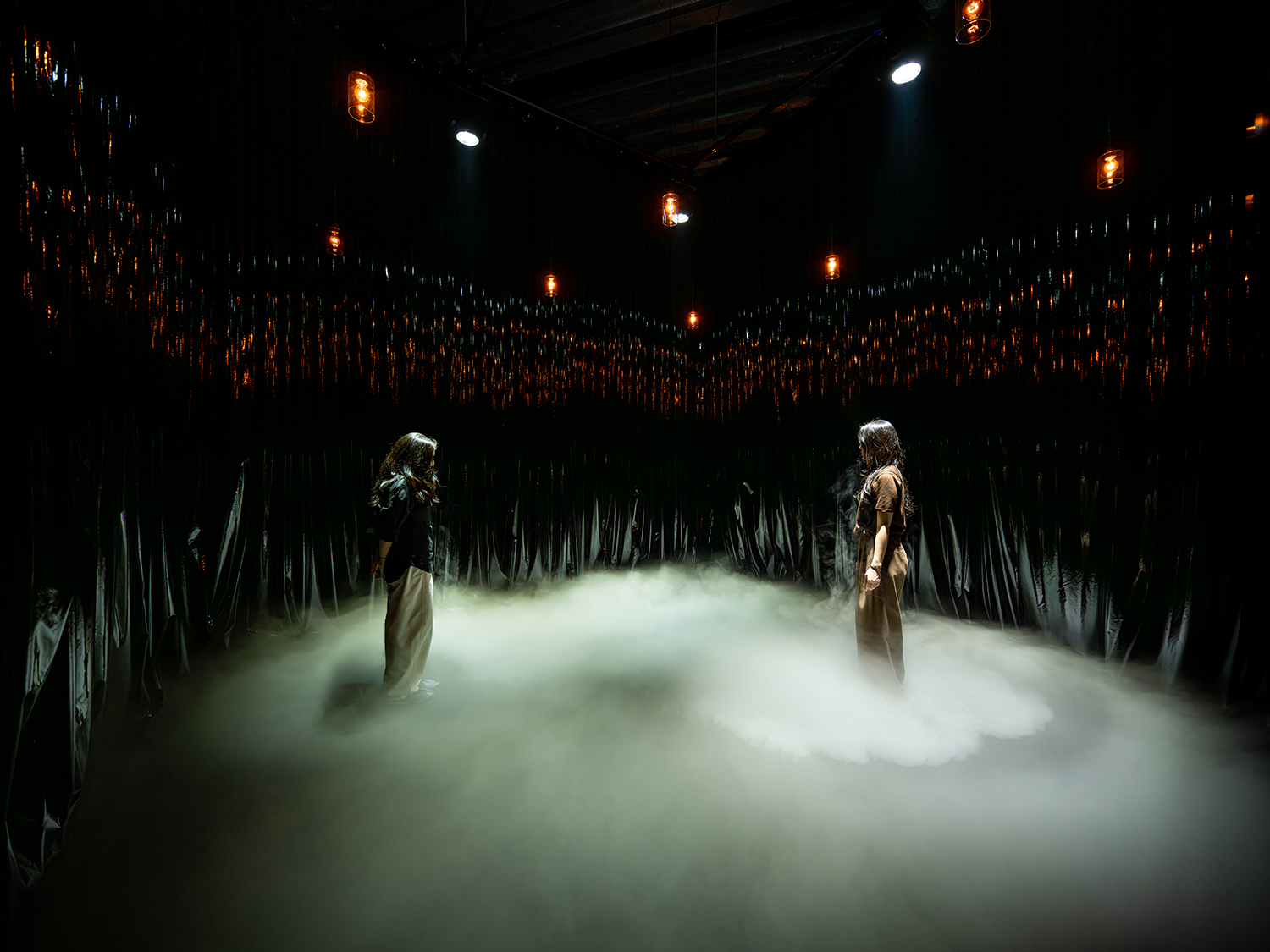
Exhibition view of Jung Kangja, Muche-Jeon (Incorporeal Exhibition) (1970/2026, reconstruction Leeum Museum of Art) ©Jung Kangja / Image courtesy of Leeum Museum of Art / Photo by Hong Chulki
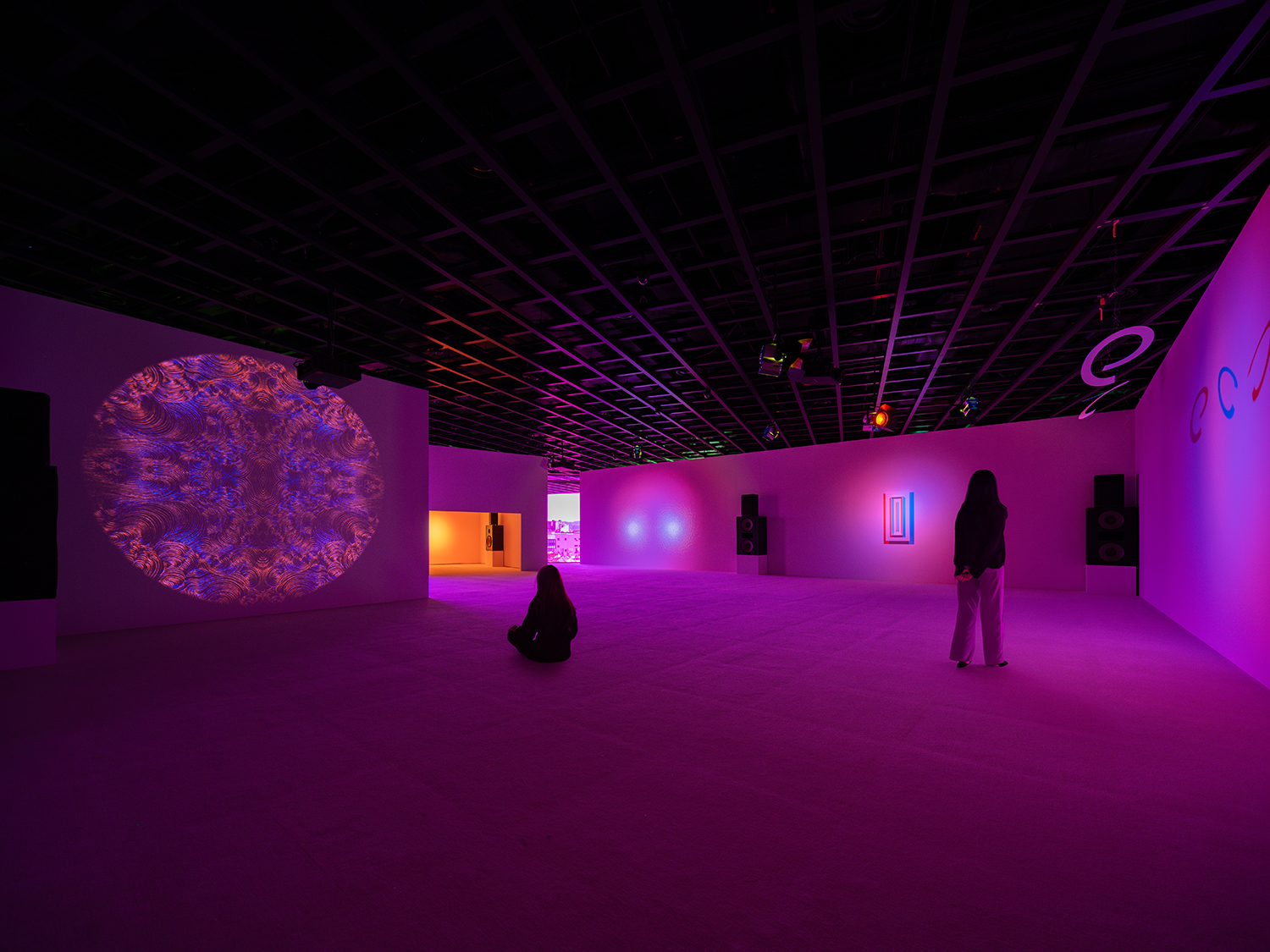
Exhibition view of La Monte Young, Marian Zazeela, Jung Hee Choi, Leeum 26 IV 29 Seoul Dream House: Sound and Light Environment (2026) ©Marian Zazeela, La Monte Young, Jung Hee Choi / Image courtesy of Leeum Museum of Art / Photo by Hong Chulki
The exhibition titled ‘Inside Other Spaces: Environments by Women Artists 1956 ‒ 1976’, which showcases forgotten environmental artworks by female artists, will be held at the Leeum Museum of Art from May 5 to Nov. 29. Originally curated at Haus der Kunst in München in 2023, the exhibition has travelled to various museums and expanded via collaborations with respective institutions. While noting how the works of female artists have been generally neglected throughout the male-dominated narratives in art history, the curators Andrea Risoni (Artistic Director, Haus der Kunst) and Marina Pugliese (Director, MUDEC Milan) point out that female artists working in environmental art – given that it is relatively difficult to document environmental art as its artworks are dismantled at the end of exhibitions – have suffered doubled marginalisation not only from the history of art but also from the history of environmental art. Organised in collaboration with the Leeum Museum of Art, this exhibition features works from 11 artists – Judy Chicago, Lygia Clark, Laura Grisi, Aleksandra Kasuba, Jung Kangja, Lea Lublin, Marta Minujín, Tania Mouraud, Nanda Vigo, Tsuruko Yamazaki, and Marian Zazeela – reconstructed on their original scales.
One work in the exhibition that is particularly striking is Jung Kangja’s Muche-Jeon (Incorporeal Exhibition) (1970/2026, reconstruction Leeum Museum of Art). As a member of the ‘Shin Jun’ coterie and the Fourth Group, Jung Kangja was active in the 1960 ‒ 1970s, creating experimental works that spanned genres such as painting, performance, and object art. Muche-Jeon (Incorporeal Exhibition) was the artist’s first solo exhibition that, encompassing her earlier experiments, presented the entire space as a single environment. This work, which embodied Korea’s social atmosphere in the 1970s through light, sound, and tactile elements, was forcibly dismantled without the artist’s consent following a government directive that viewed the exhibition as linked to political agitation. As the audience enters the space enclosed by black vinyl curtains and triggers the motion detectors, mist is sprayed onto the floor and a siren resembling an air raid alarm begins to sound. This is then immediately followed by alternating white and red lights that illuminate the startled faces of the audience and a playback of the artist’s prerecorded voice that says, ‘you are now inside my artwork.’
Another especially impressive work is La Monte Young and Marian Zazeela’s Dream House (1966 ‒) which – through its travels across multiple cities – has continuously evolved by adapting to the various architectural structures of changing exhibition spaces. This work, which has been developed in collaboration with artist Jung Hee Choi (a student of Young and Zazeela) since 2003, is presented in conjunction with the Leeum Museum of Art under the title Leeum 26 IV 29 Seoul Dream House: Sound and Light Environment (2026). They established the concept of the ‘Dream House’ as a ‘living organism’ that exists in time ‘with its own life and authenticity’. Upon entering the ‘Dream House’, the audience is overwhelmed with unfamiliar and unsettling purple lighting and sounds that fill the entire space. The perception of light and video installations placed throughout the space change depending on the viewer’s location, eye level, and body movements while the coloured lights and the sound timbre undergo constant variation. The work functions not as a static installation but as a living environment that is dynamically transformed in response to the viewer’s senses and reactions.In addition, critiquing the authority associated with solid materials throughout male-dominated narratives of architectural history, we encounter a a room filled with feathers (Judy Chicago, Feather Room, 1966/2023, replica Haus der Kunst München); presenting the journey of life from birth to death to rebirth through playful structures made of nylon fabric (Aleksandra Kasuba, Spectral Passage, 1975/2023, reconstruction Haus der Kunst München); and showcasing a structure made of PVC balloons that likens a tunnel – a symbol of modernization – to a phallus (Lea Lublin, Penetración/Expulsión (del Fluvio Subtunal), 1970/2023, reconstruction Haus der Kunst München). Through such installations, the exhibition reimagines the forgotten period of environmental art.