
SPACE February 2026 (No. 699)
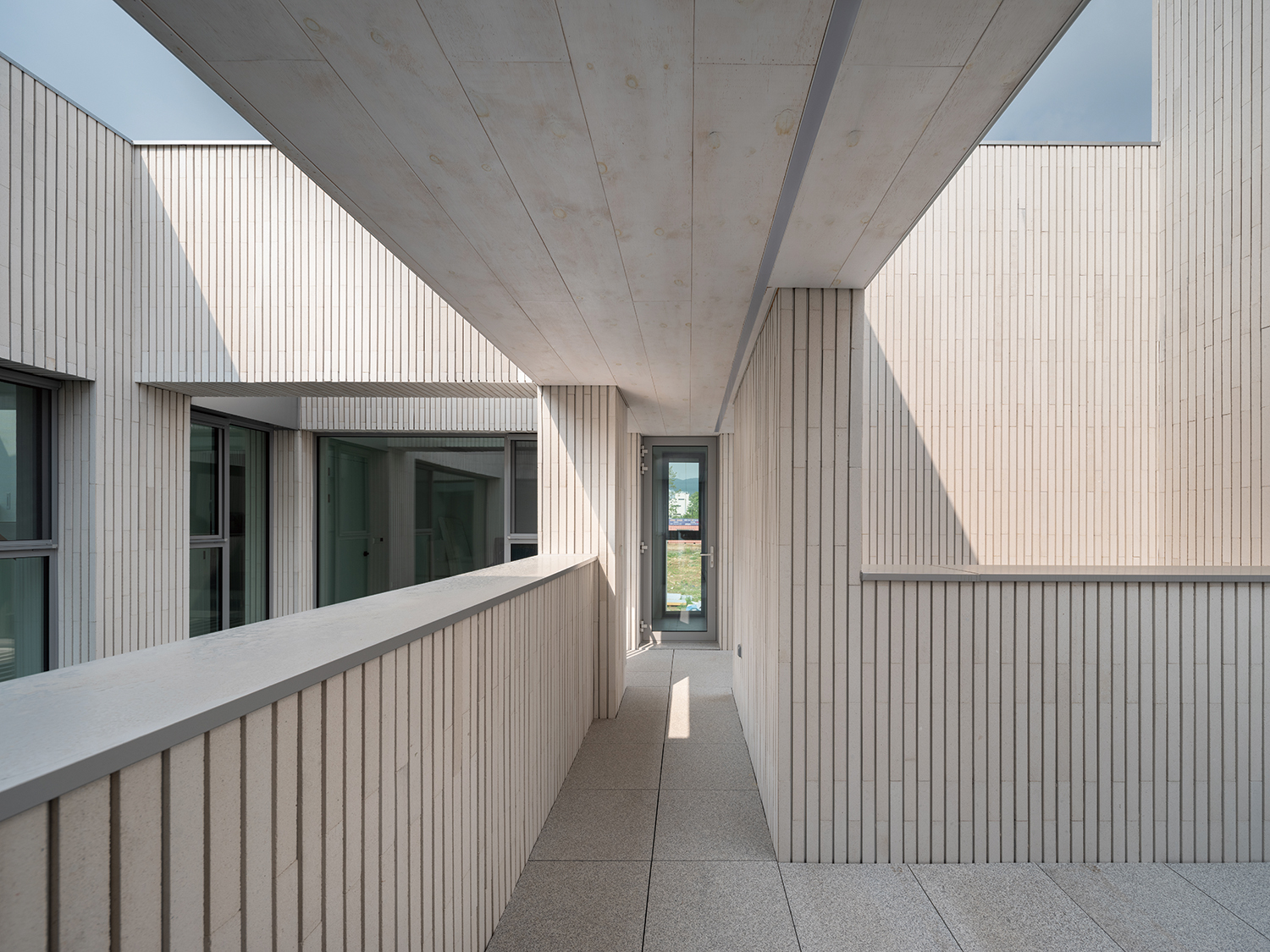
Spatial Density and Psychological Experimentation that Recalibrates Emotional Life
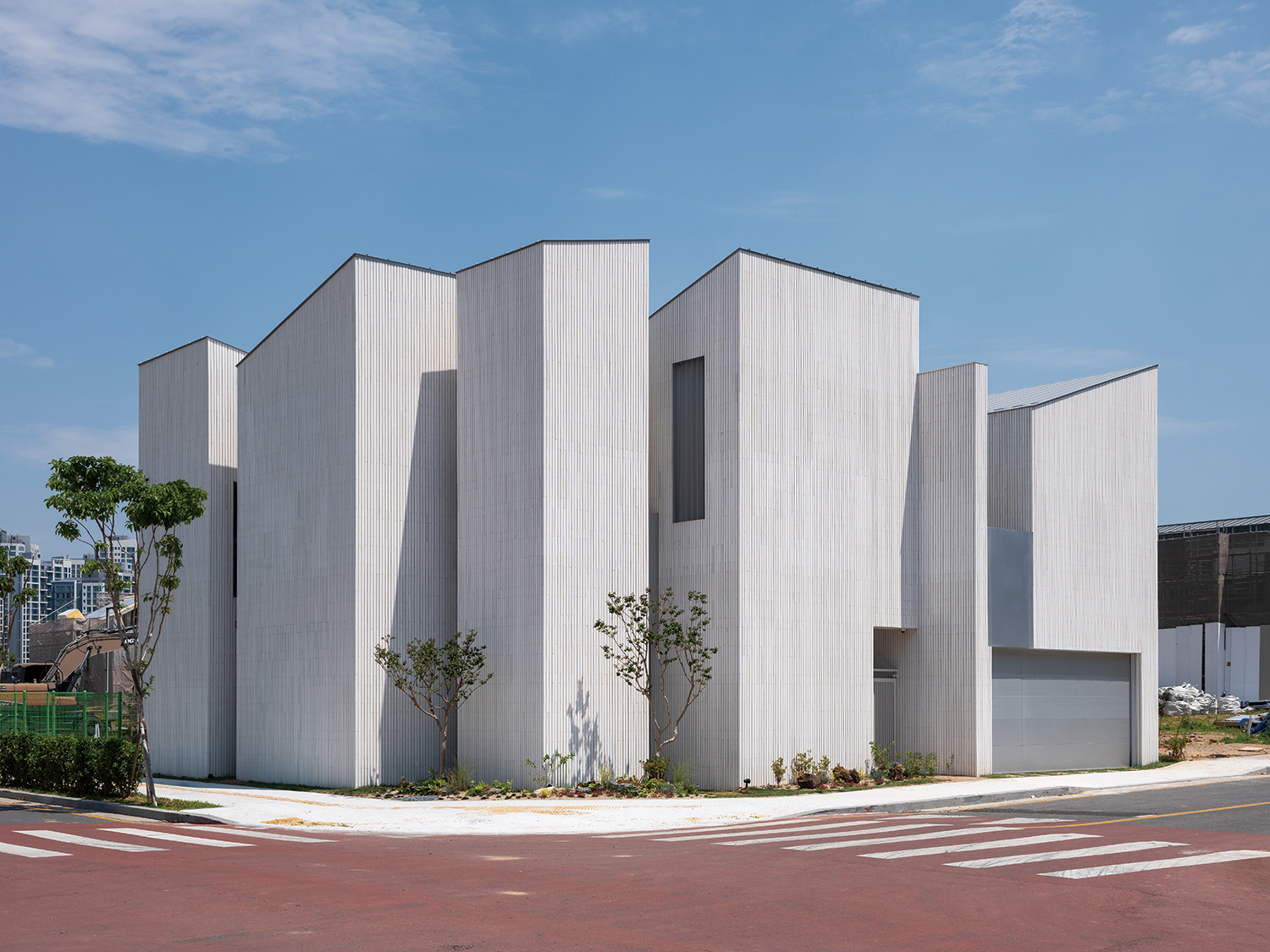
As is the case for many urban families, this household had lived in apartments for a long time. The densely organised systems of the city offered convenience, yet they restricted ‘one’s own life’, and inter-floor noise, intrusive views, and encounters with strangers gradually became sources of discomfort. The design began with an awareness of this discomfort. What the family desired was not an ostentatious architectural statement, but a house in which their emotions could comfortably reside––one that would block external interference while allowing family members to connect within its spaces. To this end, the project experiments with an architecture that calibrates the flow of life with a depth of emotion, translating an emotional structure into spatial form.
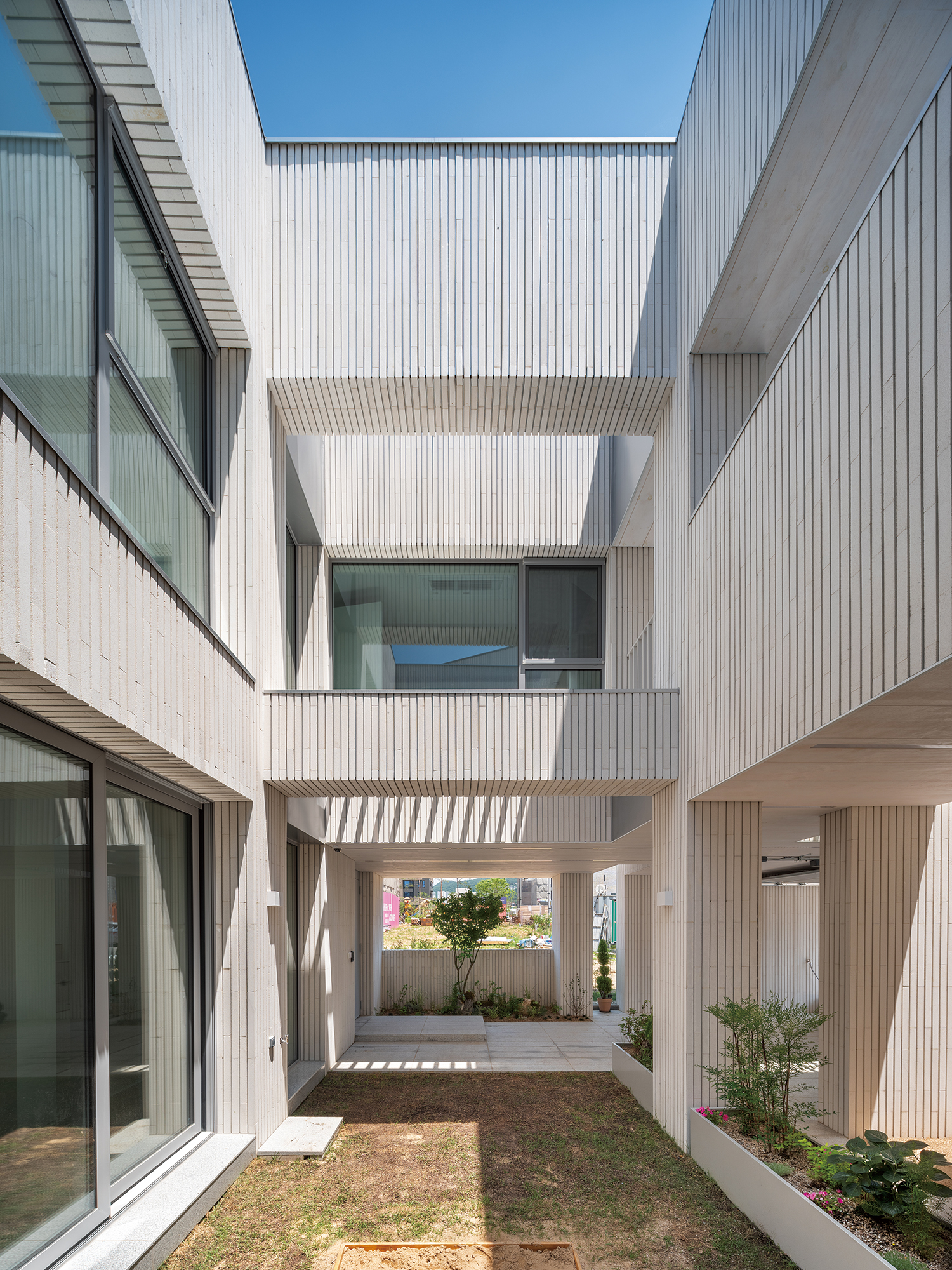
This house does not pursue formal experimentation, but seeks to explore psychological depth. At the centre of the 3 × 3 modular system is a courtyard. The nine cells interlock to form an organic order, and the courtyard functions not as a simple daylighting device but as an inner core where family can lodge their emotions. Though each module is small, rich light flows deeply through the spaces, changing its expression over time. Walls do not serve as barriers; instead, they extend sightlines beyond the courtyard and act as devices that regulate emotional states. This configuration also influences the family’s actions and emotions; by emptying the centre, the house establishes the central point of exchange, forging both an architectural and emotional language.
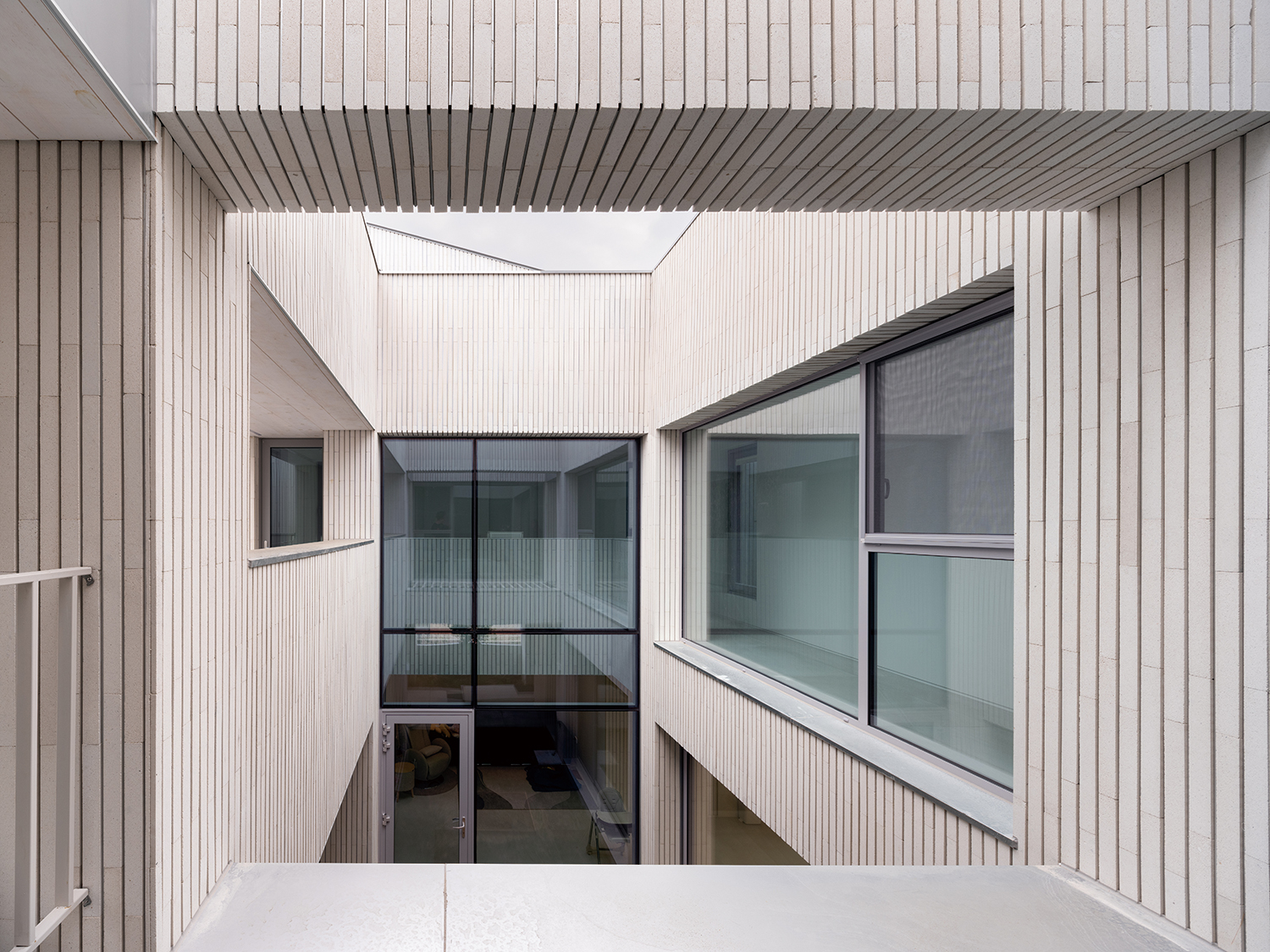
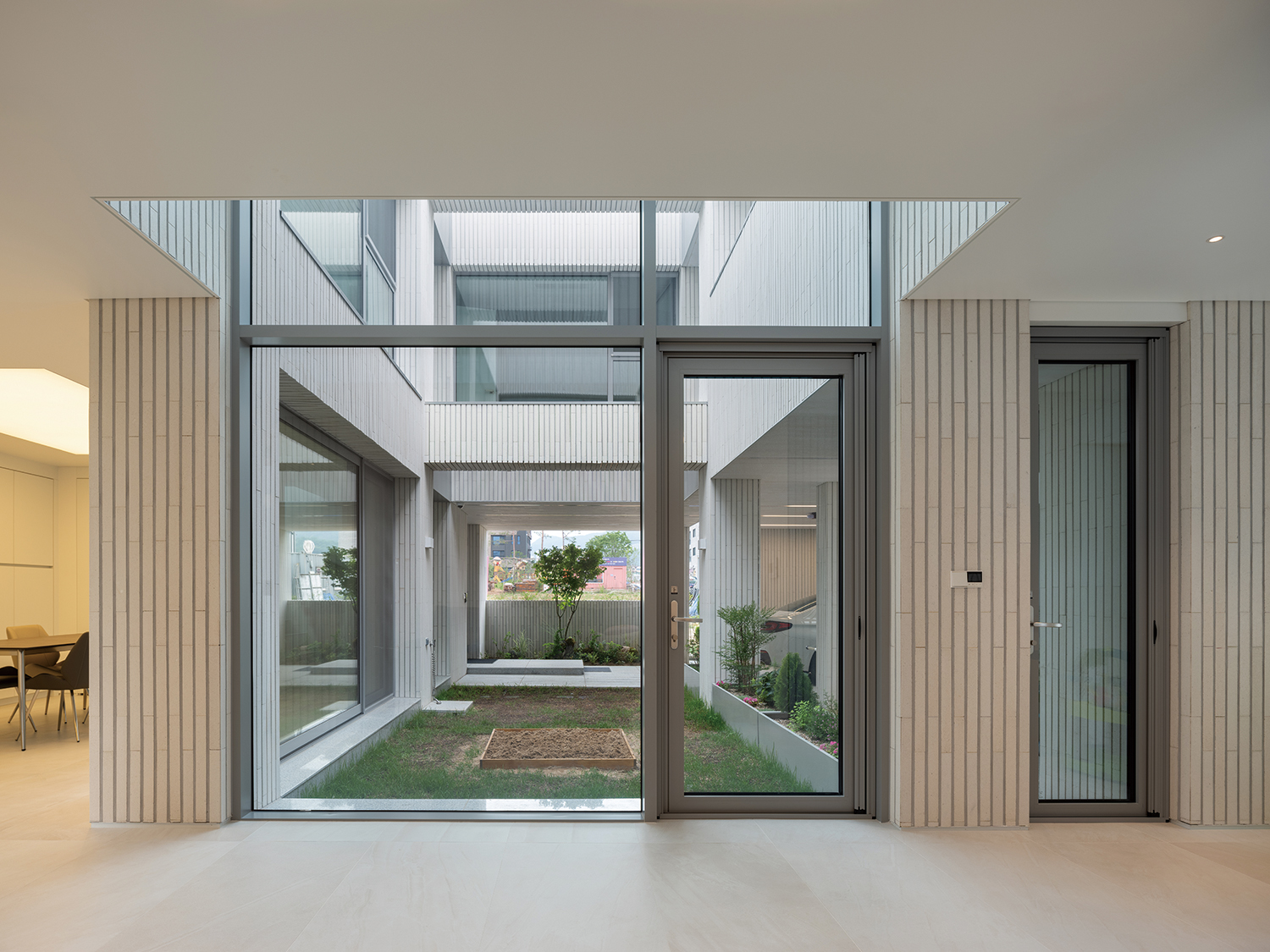
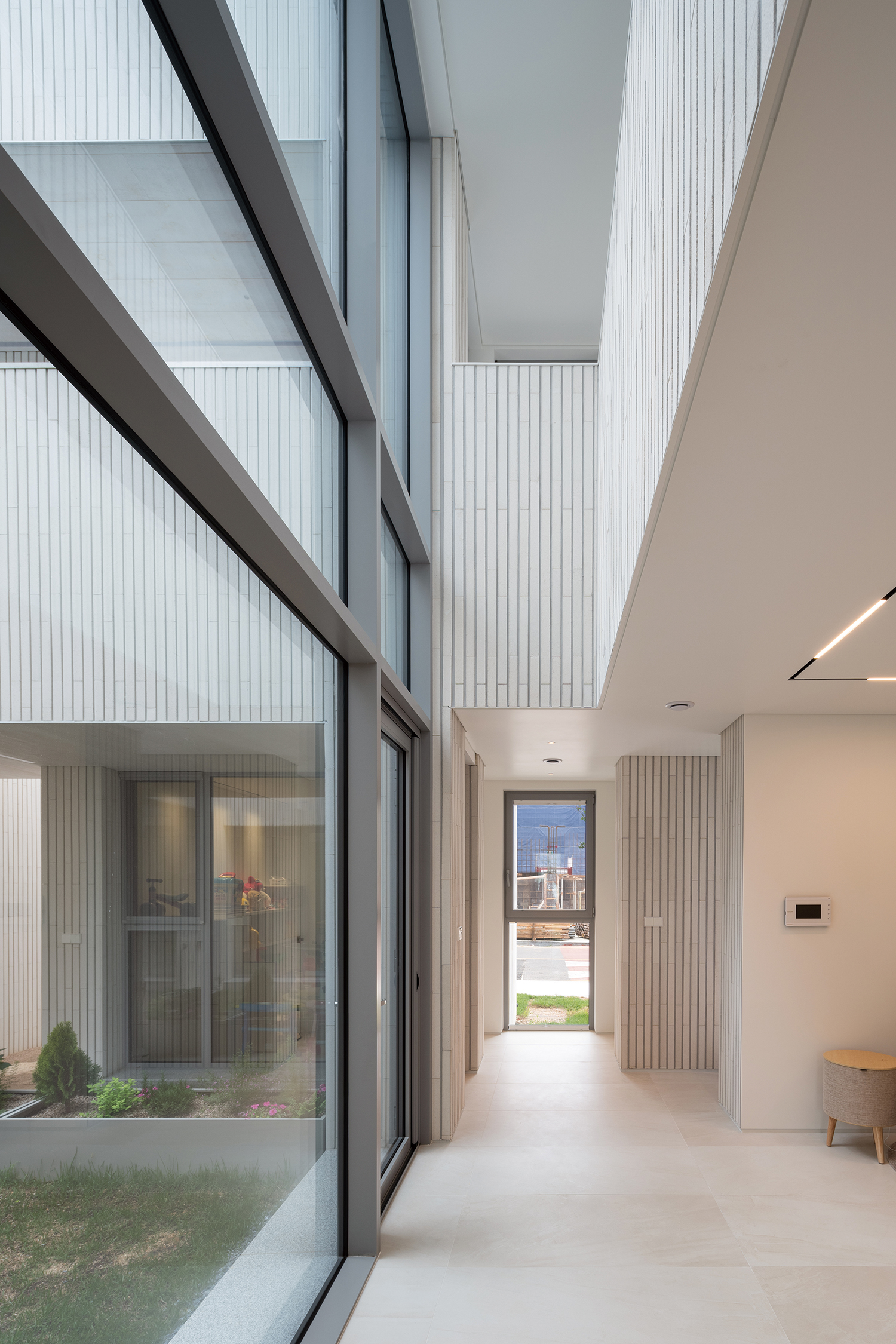
On the first floor, the family’s everyday life is realised through the greatest possible density. The living room, kitchen, study, and dining area are divided both functionally and by a grid formation, yet they unfold as a single scene organised around the courtyard. The structures of opening and closing adjust the distance between family members and adjust the density of emotion. Functional connections thus expand into emotional connections. The second floor contains individual room but without complete separation. The courtyard placed at the centre of the rooms admits light and air while enabling the sharing of views. Corridors and stairs operate as devices that delicately recalibrate distance and relationships. This structure presupposes a family life that will change over time. Such capacity for change constitutes the flexibility of the house, demonstrating the way architecture operates as a vessel that contains the rhythms of emotion.
Unsangdong Architects (Jang Yoongyoo, Shin Changh
Kim Bongkyun, Lim Sohyeon, Lee Kyeongmin, Lim Dae
Geoyeo-dong, Songpa-gu, Seoul, Korea
single house
286.3m²
139.93m²
196.01m²
2F
2
9m
48.87%
68.46%
RC
concrete block, colour coated steel sheet
ceramic tile, water paint
The One Structural Eng.
HYEOBIN ELECTRICAL DESIGN Co., Ltd.
RIAN Construction
Aug. 2021 – Aug. 2022
Oct. 2022 – May 2023
Yoo Jiheon