
SPACE January 2026 (No. 698)
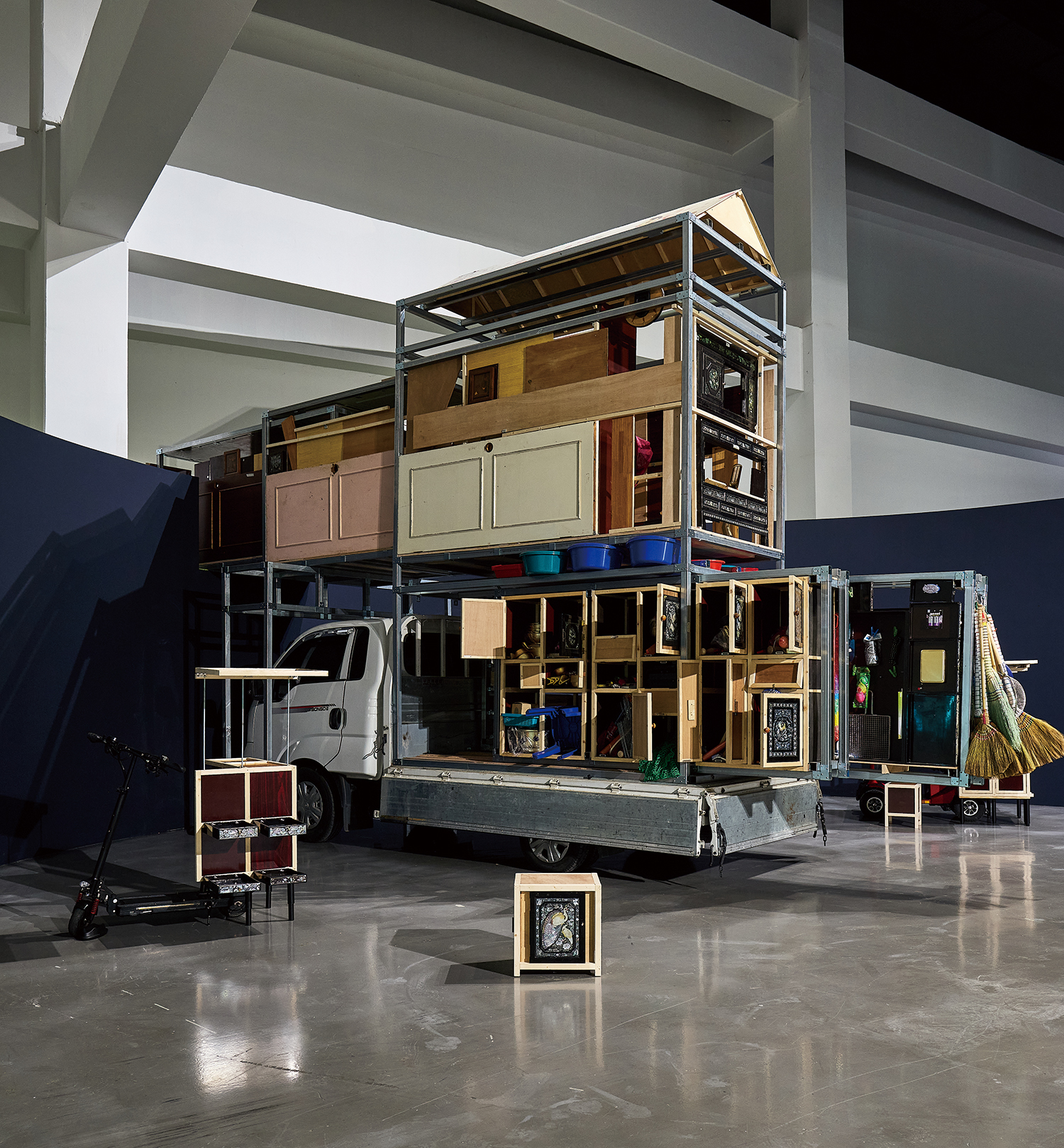
Kang Haeseong + Moon Sojung + Han Kyungtai, Roving Modular Bric-a-brac, 2025
‘Busan MOCA Platform 2025 _Call Me By My Name’
Busan Museum of Contemporary Art
Nov. 29, 2025 – Mar. 22, 2026
Building and Dwelling▼1 in an Era of Extinction and Shrinkage
Regions are disappearing and cities are emptying out: this is a moment in which the optimism that inspired the expansion of cities under the premise of growth is being recalibrated. ‘Busan MOCA Platform 2025_Call Me By My Name’ proposes a reconsideration of these conditions through the urban and architectural imagination. It advances a shrinkage-oriented strategy that explores the relationship between individuals and communities through ‘housing’, reduces ‘distance’ to a scale within reach of care, and reconfigures ‘architecture’ as a resource-circulation system of a scale that can be sustained.
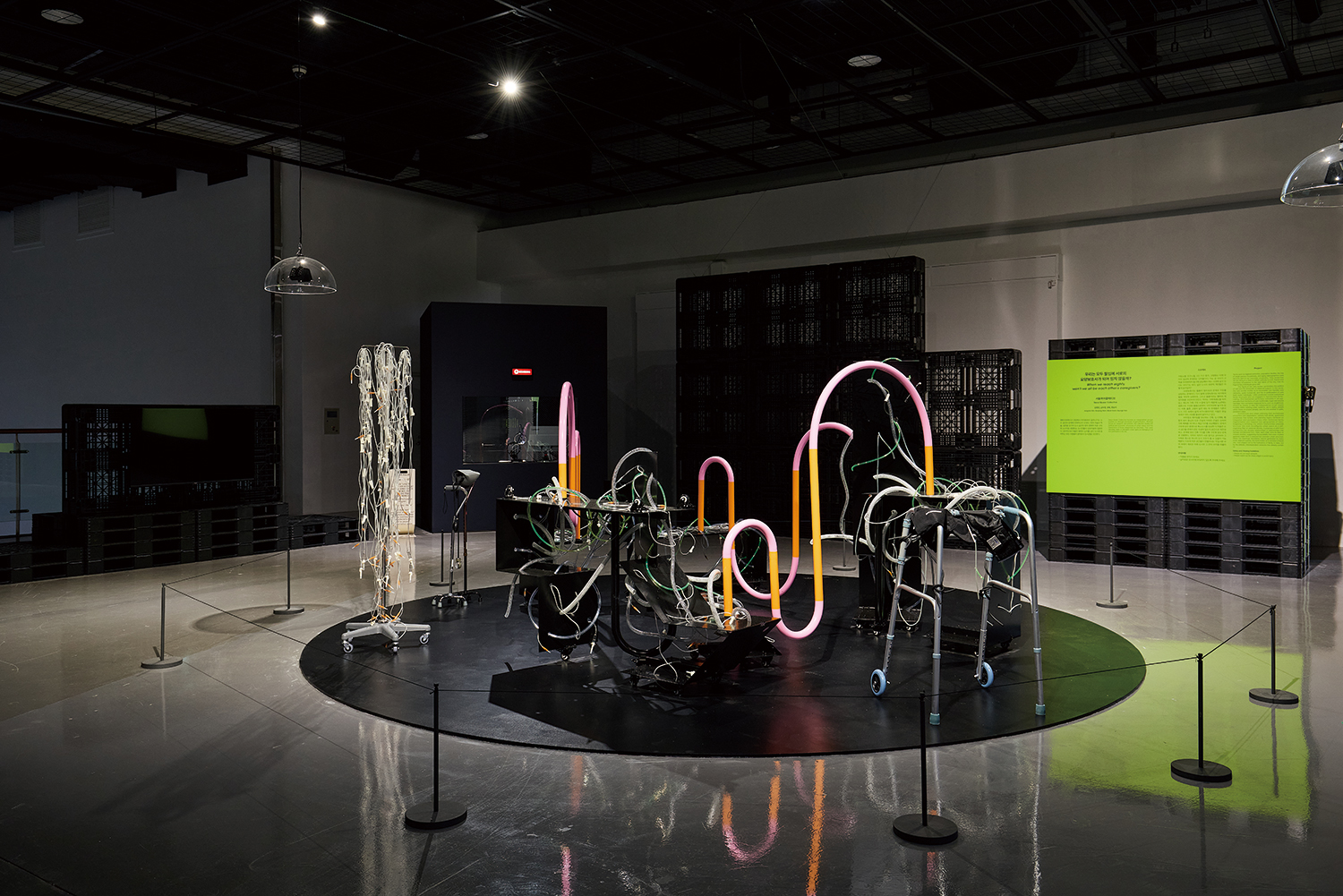
Seoul Queer Collective, When we reach eighty, won’t we all be each other’s caregivers?, 2025
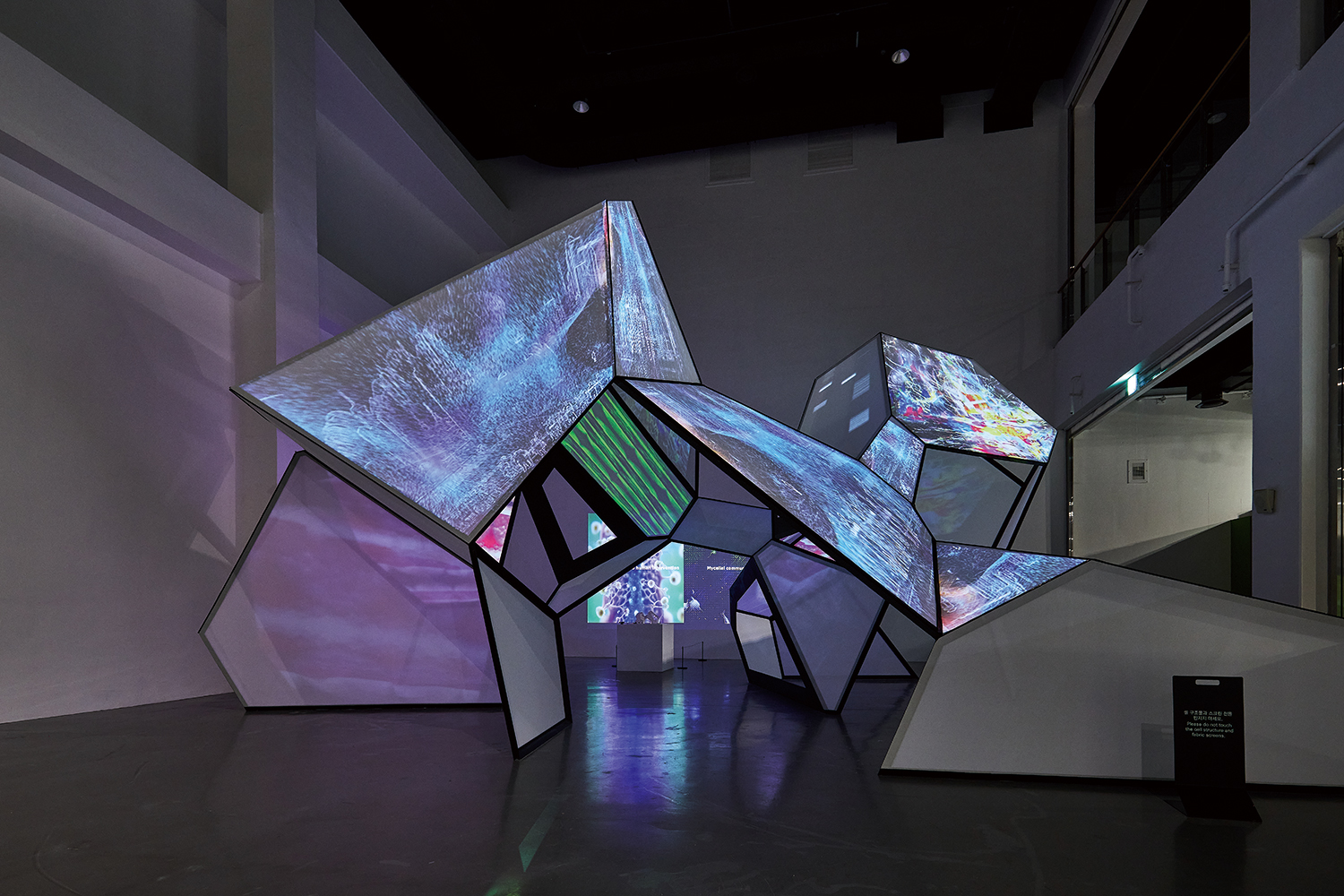
Pozamong, MycoCell Universe: Coexistence of Fungi and Humans, 2025
A Shrinking World, Rebuilding the Structure of Life
Marking its third edition, ‘Platform’, the annual exhibition of the Busan Museum of Contemporary Art (hereinafter Busan MOCA), launched an open call for participants in March 2025 under the theme, A Shrinking World, Rebuilding the Structure of Life. The exhibition’s orientation, as stated in the call for submissions, was explicit: to imagine ‘shrinkage-oriented spaces’ that do not attempt to contain everything, but selectively accommodate only the relationships and functions that are truly necessary. Kim Gahyun (Curator, Busan MOCA) explained that her interest in this theme began with a documentary about Whittier, a small town in Alaska. In the film, most of Whittier’s roughly 200 residents are shown living within a single 14-storey apartment building, where all functions – from housing, supermarkets, and laundromats to hospitals, churches, schools, police stations, post offices, and the city hall – are compressed under one roof. She explained that ‘this extreme case of a city condensed beneath a single roof prompted reflection on the future of regional cities in Korea’, adding that the exhibition seeks to explore ‘a future that moves toward richer relationships, deeper care, and more sustainable structures through the act of subtraction’.
By framing shrinkage not as a condition of deficiency but as a strategy for transition, recovery, and reconfiguration, the exhibition places particular emphasis on the experience of living in a shrinking city. This approach responds both to audience feedback that pavilion exhibitions can feel difficult to access and to a desire to differentiate the project from conventional architecture exhibitions centred on models and panels. From the competition stage, guidelines encouraged architects, artists, and researchers to form multidisciplinary teams. Through this process, ten teams were selected, comprising practitioners across architecture, design, sculpture, installation, sound, media art, anthropology, and biology. Exhibition media likewise spans advanced technologies – such as augmented reality (AR), games, and interactive systems – alongside actual architectural materials. As a result, the exhibition space is transformed into an experiential environment in which visitors walk, fold, push, and pass through works while actively engaging with them. Spanning the museum lobby, the outdoor garden, and the exhibition galleries on the first and second floors, the exhibition avoids rigid thematic or sectional divisions, offering instead an open layout that allows visitors to engage freely with individual works.
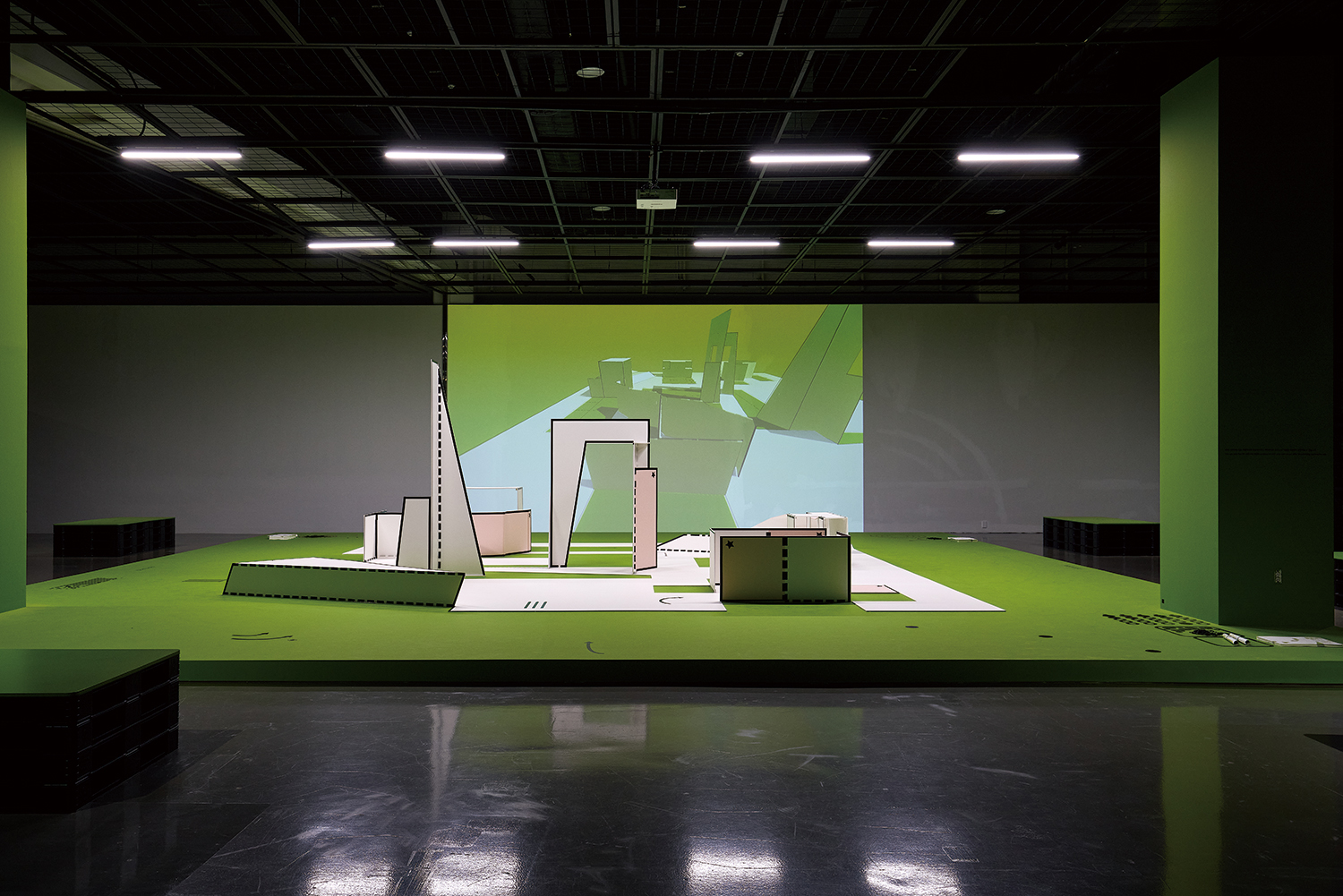
lab.WWW, We Build This City, 2025
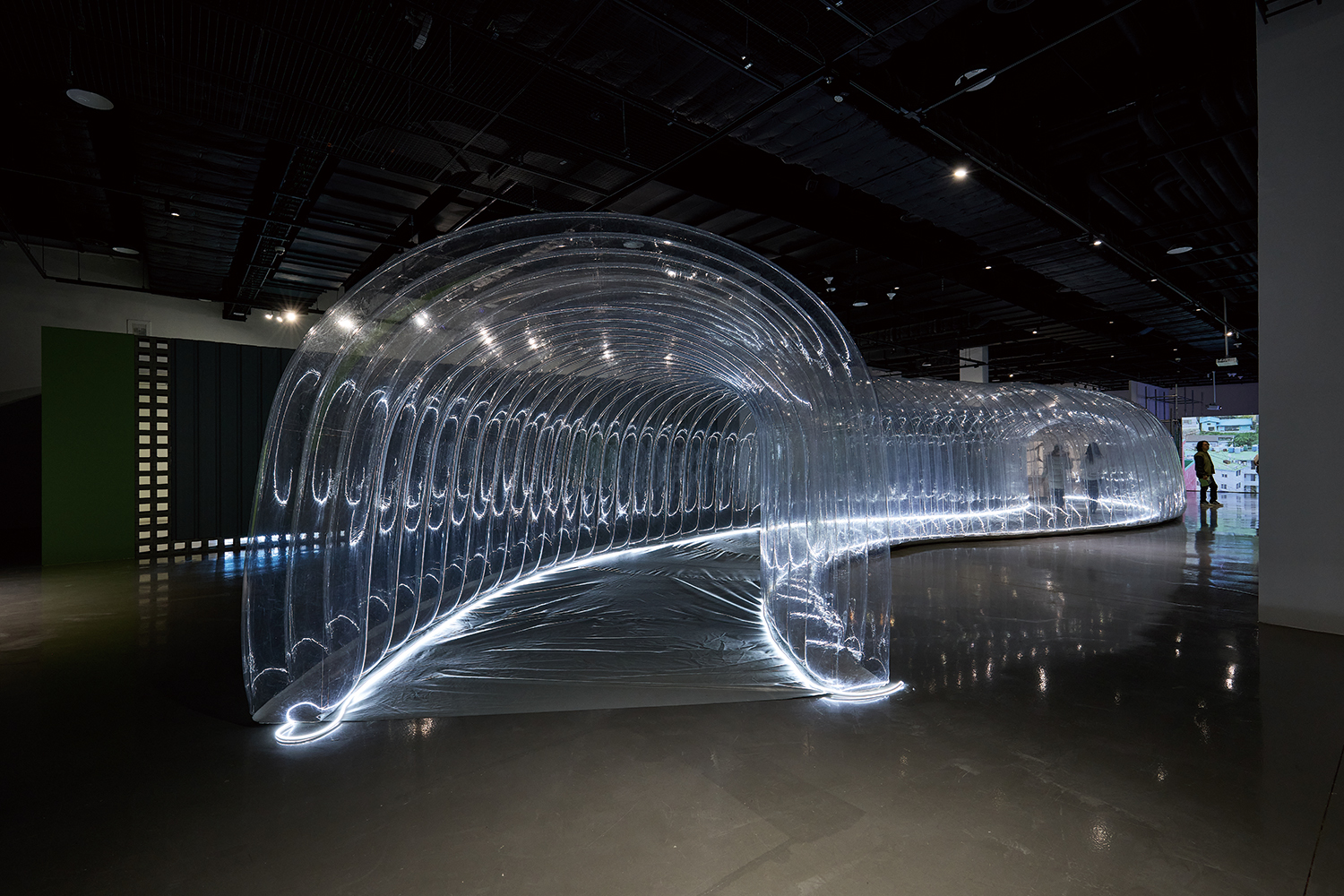
Yoolim Architects, Infinite Loop: Urban Chronicles, 2025
Stories Drawn from Reality
The exhibition can be broadly divided into works grounded in urban research and works that explore architectural approaches to constructing space. Research-driven projects are largely presented as installations that bring together objects collected locally in Busan and the results of field research. Rewriting Life in a Changing City by Common Senses focuses on the act of walking through the city, recreating the alleys of Busan’s changing old downtown. Between pavilion structures made of construction scaffolding, videos and sounds collected on site have also been installed. As they explain, ‘A city can only be remembered when it is recorded,’ and the work concentrates on building a synesthetic archive of the disappearing historic centre. Displayed on the second floor, That’s My Neighbour by The File Room likewise takes Yeongdo – one of the regions at the highest risk nationwide of depopulation – as its subject. They aim to offer a multilayered experience of a complex urban ecosystem, constituted by human and non-human entities alike: long-standing residents who have sustained the village, migrant workers inhabiting vacant houses, industrial landscapes produced by shipyards and metal workshops, and forms of life such as moss and weeds. Beyond physical installations, the project expands its media through publications, documenting the research process and augmented reality. While Common Senses’ pavilion is constructed as a geometrically self-contained structure, The File Room disperses multiple installations throughout the space, inviting visitors to interpret narratives within a loosely connected network.
While the works by the first two teams attempt to embrace urban disappearance through a more affirmative lens grounded in city-based research, Listen to the City’s Imjang Crew – Gap Investment – School-Proximity Apartments – Negative Equity – Gangnam Never Fails: Cities of Desire and the Vanishing Regions probes more fundamentally into the causes of population decline and regional disappearance. The team argues that regional decline stems from structural inequalities such as disparities in real estate markets between regions and the lack of cultural infrastructure, and translates this analysis into the exhibition through big-data research, interactive installations, infographics, and games. One installation reveals actual real estate transaction prices for Seoul’s Gangnam three districts (Seocho-gu, Gangnam-gu, Songpa-gu) and Busan’s Haeundae area on two large screens when visitors move their hands close to sensors. An infographic video based on machine learning visualises the relationship between the real estate price gap between Seoul and Busan and future birth rates thirty years from now. A game invites participants to identify newly coined terms – such as gap investment, school-proximity apartments, and negative equity▼2 – that have emerged amid overheated real estate speculation. By starkly exposing the realities produced by inequality in capitalist society, Listen to the City visualises the power structures operating within urban space through data, while also demonstrating an astute strategy for amplifying its message in an engaging and multidimensional manner—without relying on physical structures.
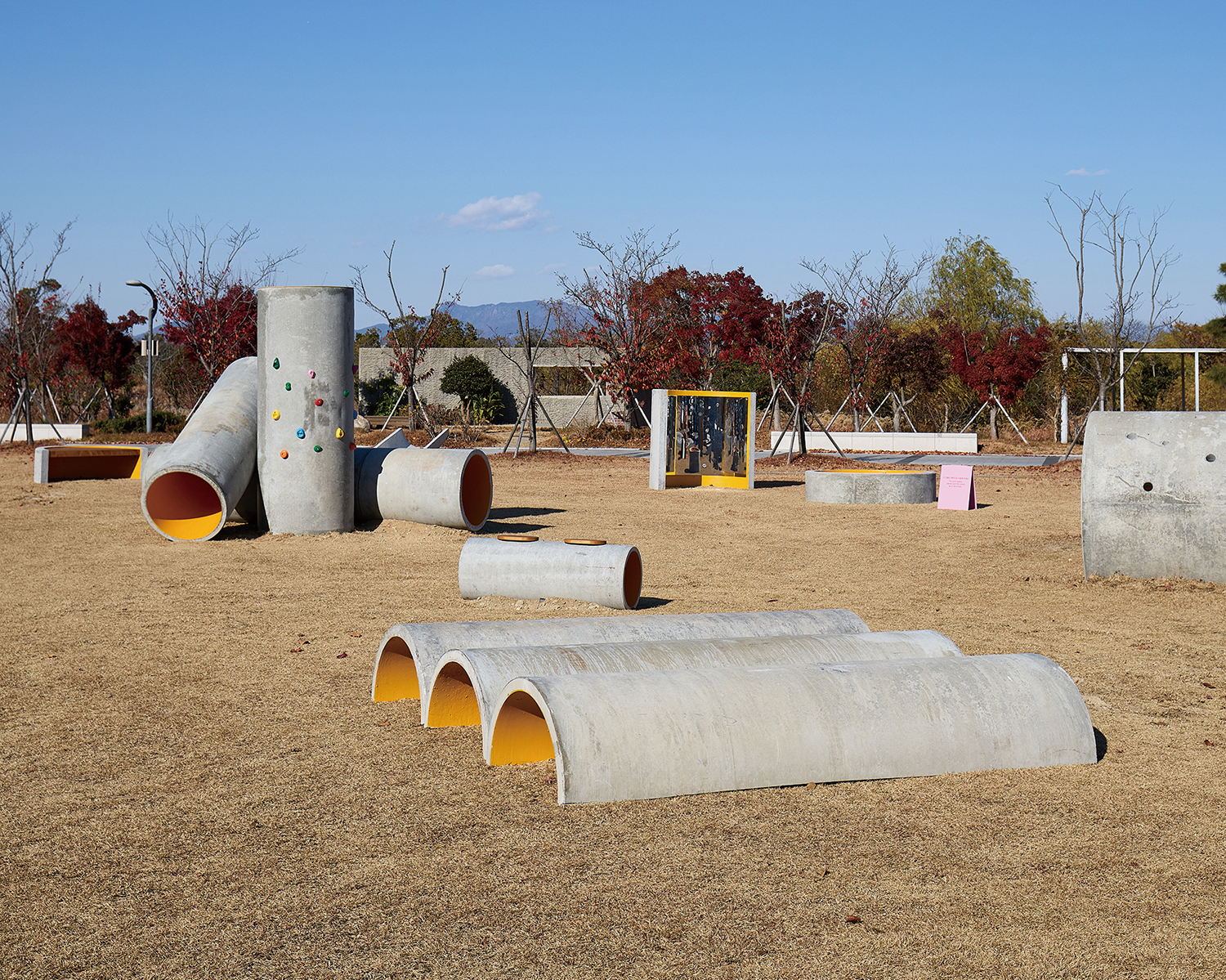
HyunjeJoo_Baukunst, Concrete Utopia, 2025
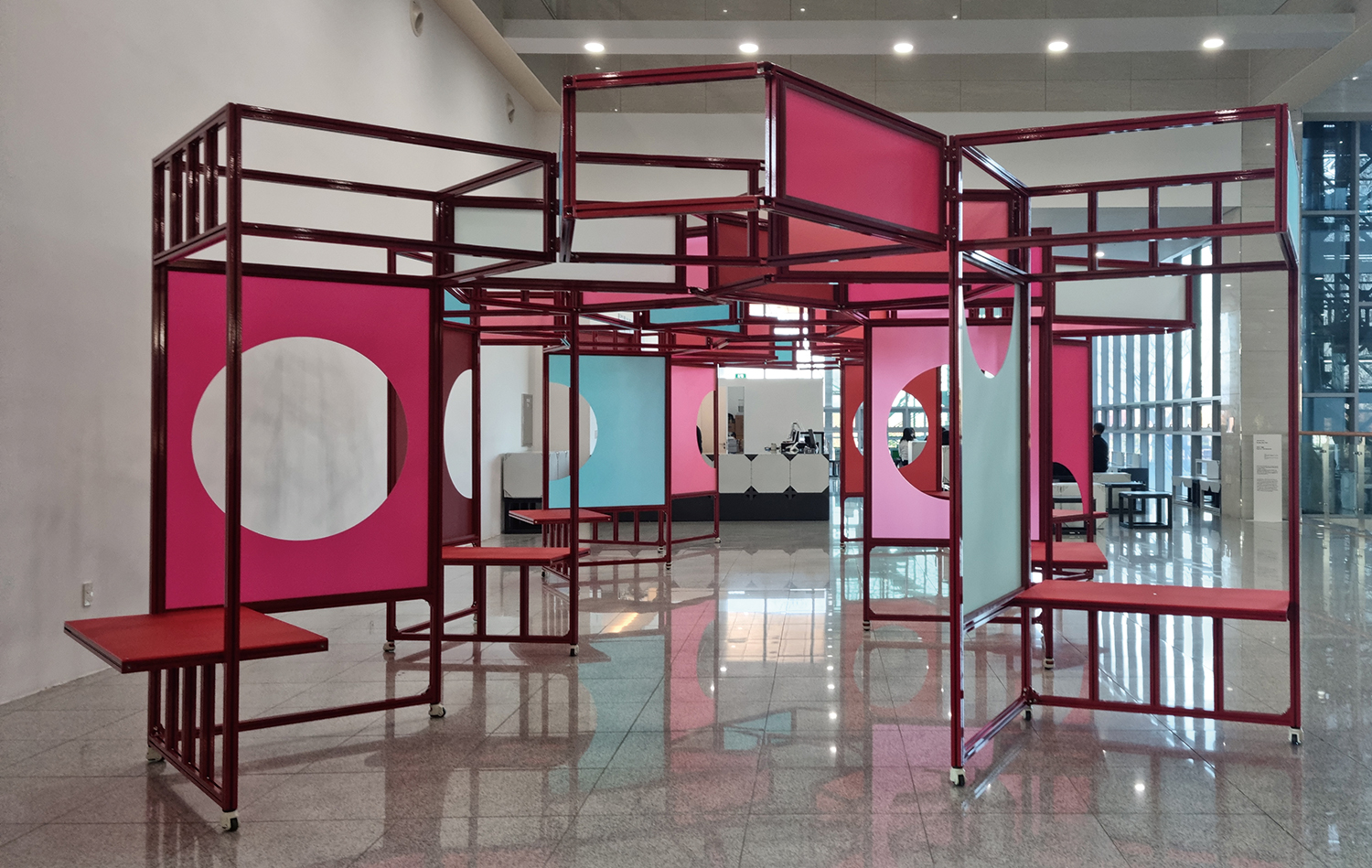
ADHD, Between, Beyond, 2025 ©Bang Yukyung
Ways of Experiencing Shrinkage-Oriented Spaces
Numerous works throughout the exhibition explore the architectural possibilities of space. Displayed in the lobby, ADHD’s Between, Beyond presents a reconfigurable modular structure mounted on wheels, while We Build This City by lab. WWW, exhibited on the second floor, introduces a virtual site that can be folded and unfolded within augmented reality, much like origami. Also notable are works that more fundamentally investigate architecture’s spatial possibilities through materials, form, and materiality. Installed on the first floor, Yoolim Architects’ Infinite Loop: Urban Chronicles constructs a curved tunnel using air-inflated air-cell arch modules, while Concrete Utopia by HyunjeJoo_Baukunst,
installed in the outdoor garden, repurposes discarded concrete pipes from urban construction processes to create an experiential space in which children explore modes of play on their own.
Meanwhile, attempts were also made to embody questions concerning coexistence and care in physical form. Pozamong’s MycoCell Universe: Coexistence of Fungi and Humans cultivates fungal strains collected from vacant houses in Yeongdo within the exhibition space. By analysing data such as temperature and humidity through artificial intelligence, the work projects in real time onto the pavilion’s surface the conditions by which humans and fungi mutually influence one another. Seoul Queer Collective’s When we reach eighty, won’t we all be each other’s caregivers? evokes a shrunken city structured through care, presenting an unfamiliar scene in which medical chairs lean against and connect to one another.
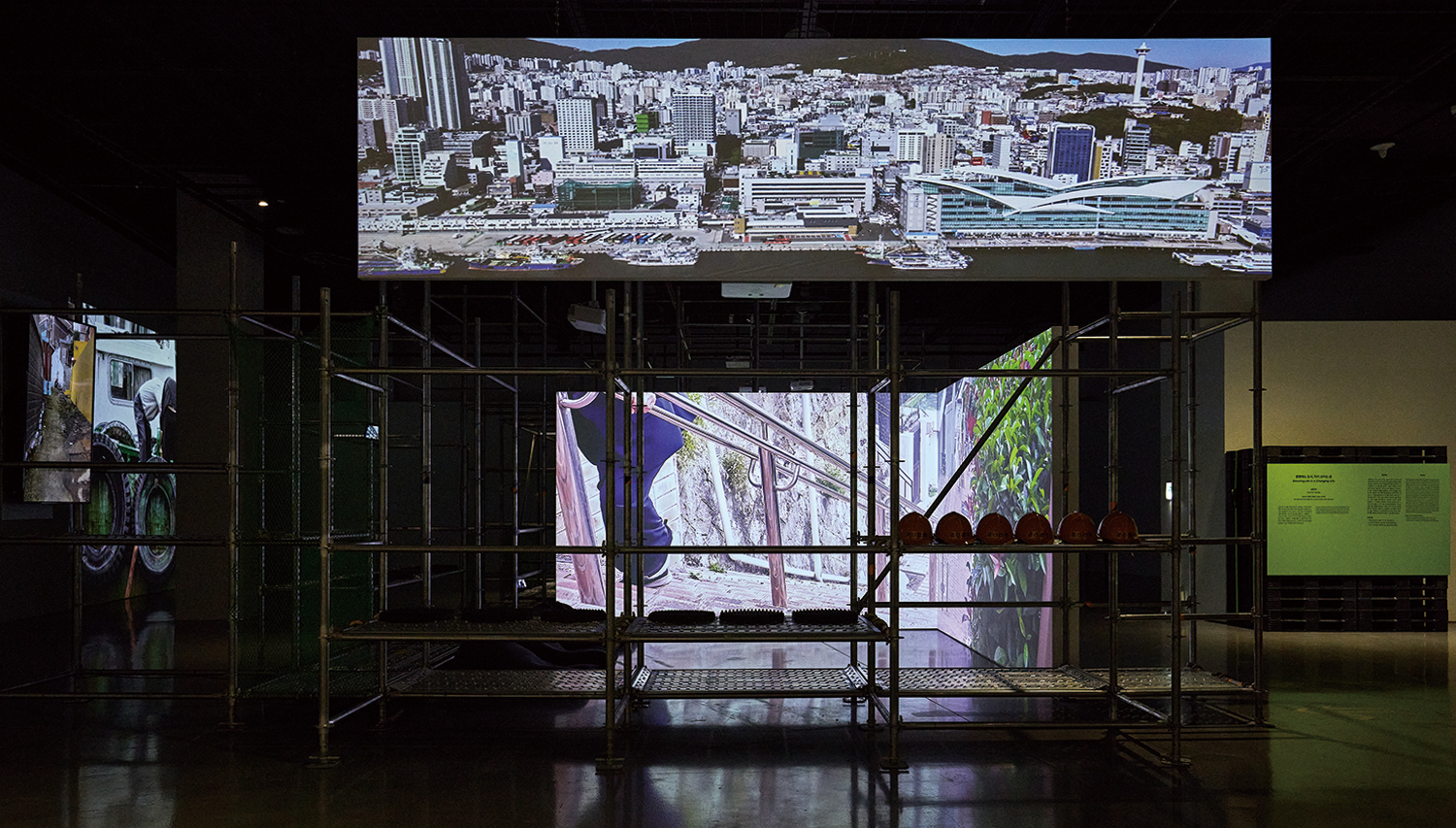
Common Senses, Rewriting Life in a Changing City, 2025
What We Come to Know Only by Presuming Decline
By confronting the realities of population decline and regional extinction, this exhibition asks participating artists to exercise an imagination that goes beyond quantifiable figures and data. These are the values that emerge only when ‘decline’ is taken as a premise; the forms of solidarity and coexistence that must be built upon that foundation. The work that responds most actively to this call is Roving Modular Bric-a-brac by Kang Haeseong + Moon Sojung + Han Kyungtai. The team focuses on the act of ‘migration’ that accompanies population decline and urban shrinkage. Traveling through Busan in a bric-a-brac truck, they collect objects abandoned through migration via barter, while also gathering the personal stories attached to them. As they archive narratives and histories of migration that cannot be captured by quantitative data, the conversations shared with people expand into a performative process of mutual consolation and healing, and further into a message of solidarity. Filled with objects that have exhausted their use, the bric-a-brac truck is transformed into a mutable, mobile dwelling built from narratives of decline, as well as a structure of memory that encompasses layered issues such as care, resource circulation, and temporary housing.
Despite these wide-ranging explorations across diverse themes, the exhibition reveals differences among the works in terms of content and form, density and completeness. This, in turn, exposes both the limitations and possibilities of the competition format, which was designed to encourage free exploration. In particular, of the works that investigate architectural space, questions remain as to whether they were realised through materials specific enough to effectively convey their themes. In developing its initial narrative of ‘mold cohabiting with humans in a semi-basement studio’, Pozamong leaned excessively toward artificial intelligence learning processes, making it difficult to intuitively grasp the relationship between fungi and humans. Meanwhile, the work by Seoul Queer Collective, which posed compelling questions against the backdrop of a super-aged society, was realised as a fixed installation, raising doubts as to whether it adequately responded to an exhibition framework that placed strong emphasis on experience. By contrast, the research-based projects that traced the internal networks of cities and articulated their narratives demonstrated more advanced practices, revealing diversity in both subject matter and modes of expression.
Park Eunji (The File Room) states that ‘the label of “population-decline region” should not become a pretext for rationalising urban development from a capitalist perspective, and that we must instead seek the coexistence of communities and ecosystems that are organically reorganised amid changing times.’ While time and resources are wasted fostering industries unrelated to local contexts, such as tourism, the ecosystems and histories that have sustained cities are destroyed. The moment population decline and urban disappearance are framed as a ‘problem’, many possibilities and truths are buried. By translating decline and shrinkage into a positive language, this exhibition urges us to uncover realities obscured by the rhetoric of scholars, experts, and administrators. Suspending judgment and retaining space to explore possibilities—this is a virtue that contemporary art, rather than newspapers or academic papers, is uniquely capable of achieving.
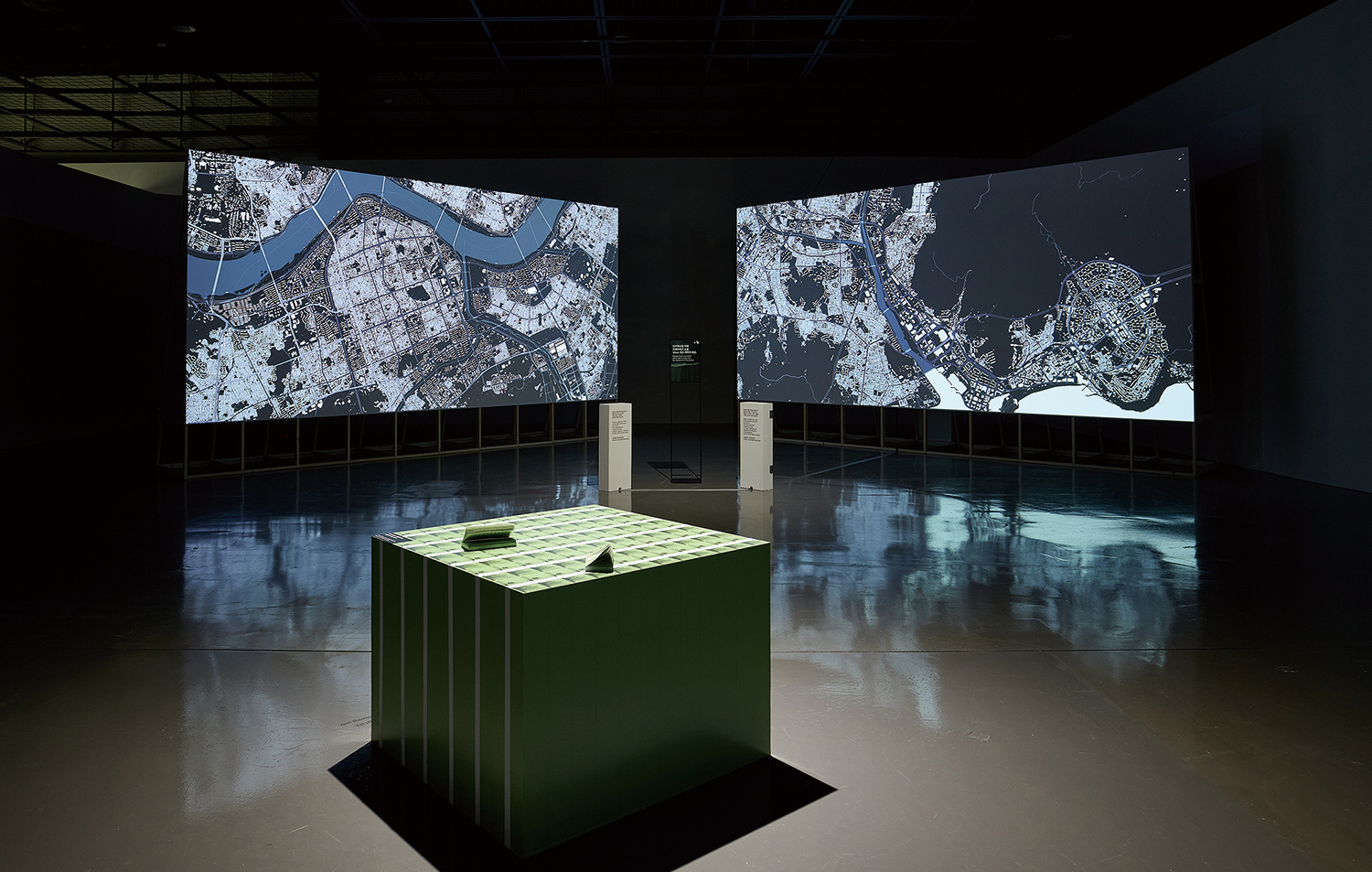
Listen to the City, Imjang Crew – Gap Investment – School-Proximity Apartments – Negative Equity – Gangnam Never Fails: Cities of Desire and the Vanishing Regions, 2025
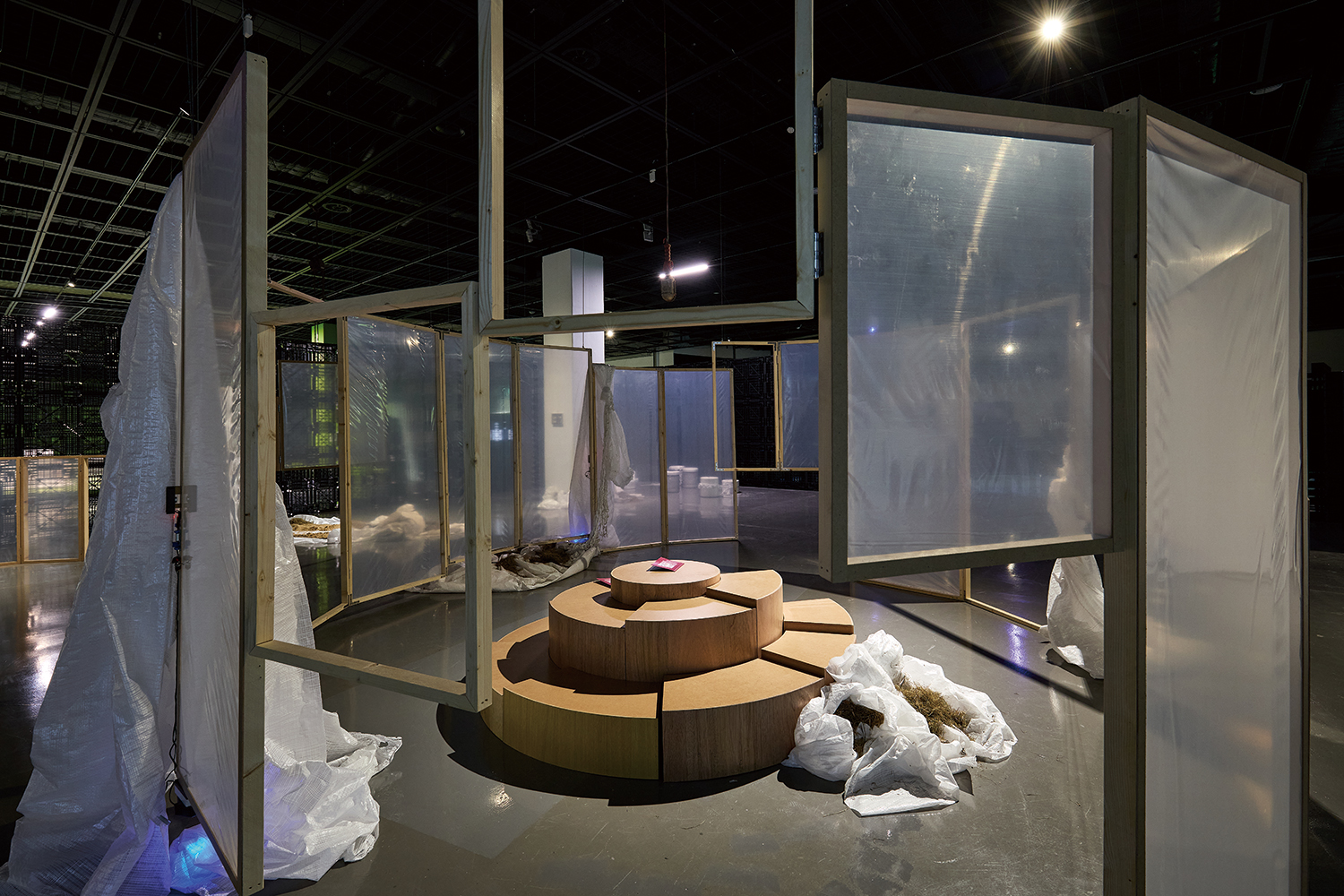
The File Room, That’s My Neighbour, 2025
_
1 The phrase ‘Building and Dwelling’ appearing in the title of this article is taken from the title of Richard Sennett’s book, Building and Dwelling: Ethics for the City.
2 ‘Gap investment’ (갭투) refers to purchasing a property with a low gap between its sale price and jeonse (long-term rental) deposit, then aiming to profit from the difference in market value. Here, the gap denotes the difference between the property’s sale price and the jeonse deposit. ‘School-proximity apartments’ (초품아) refers to an apartment complex directly adjoining a primary school, with no roads within walking distance. ‘Negative equity’ (마피 is an abbreviation for minus premium in Korean) is an abbreviation for a situation where a pre-sale right is sold below the original sale price, resulting in a loss.