[ESSAY] Living on the Boundary | Unsangdong Architects
written by
Jang Yoongyoo, Shin Changhoon Co-Principals, Unsangdong Architects
photographed by
Namgoong Sun (unless otherwise indicated)
materials provided by
Unsangdong Architects
edited by
Kim Bokyoung
SPACE February 2026 (No. 699)
We are not simply building houses. We set forth diverse values that emerge from the act of dwelling, from the relationship between the city and nature, and from realms that extend beyond human communities.
In Unsangdong’s architecture, the house is not a fixed private space but a complex field in which individual interiority, family relationships, communal ethics, technological environments, and urban structures intersect. Accordingly, the house is not a space defined by physical boundaries or a closed protective shell, but a semi-transparent apparatus that selectively breathes with the outside world, and an ecological system that organises the rhythms of everyday life. In their early experiments, Unsangdong sought to reconfigure means and modes of dwelling by redefining architectural elements.
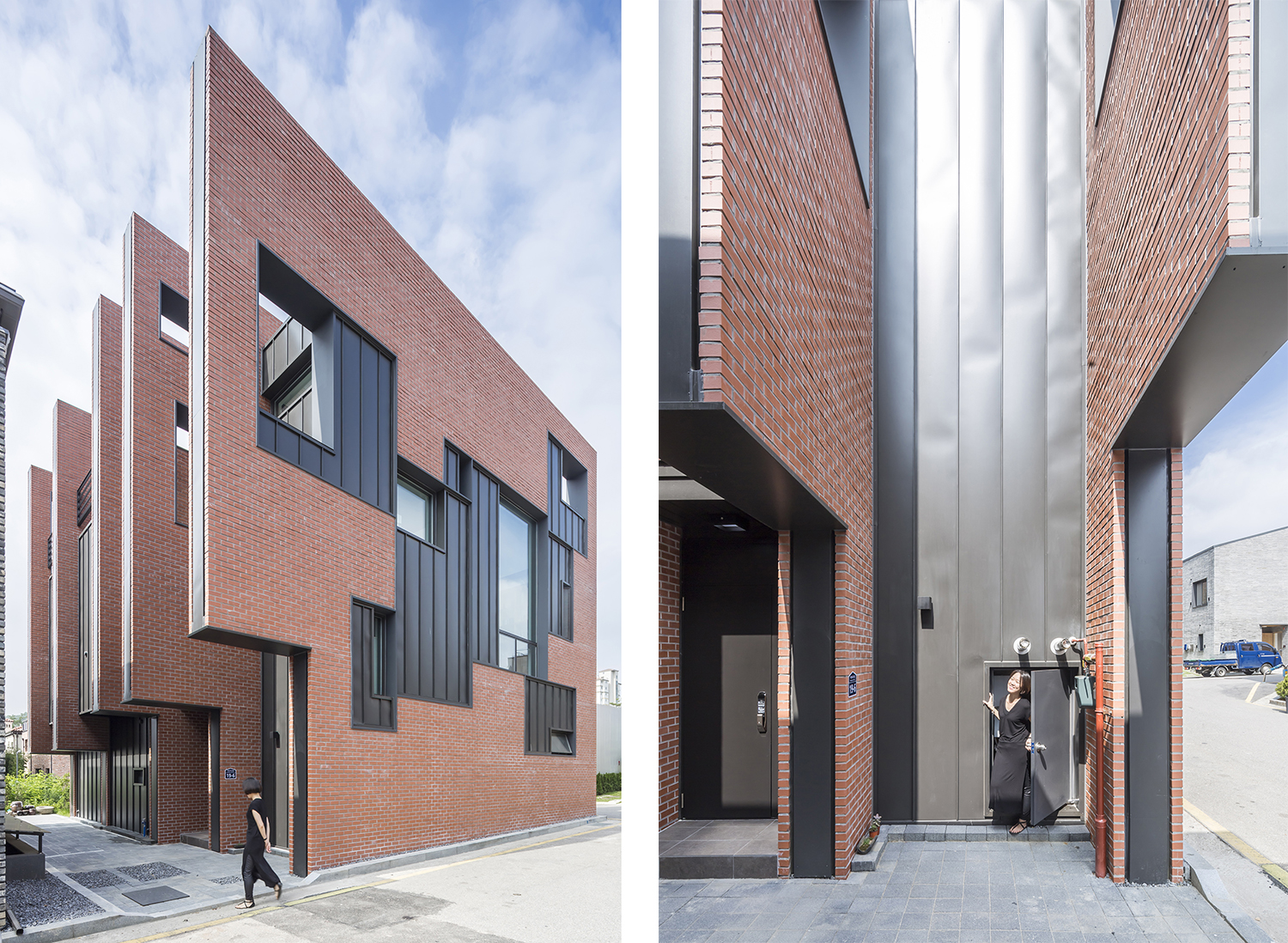
In Chronotope Wall House (2015), the walls – traditionally closed due to structural constraints – are transformed into communicative structures connecting the family with the city, becoming tools that generate new approaches to living. Just as the automobile reshaped perceptions of time and space on roads, the walls of Chronotope Wall House create intermediary spaces that allow diagonal visual connections across the courtyard, living room, study, and individual rooms, thereby expanding the spatial experience.
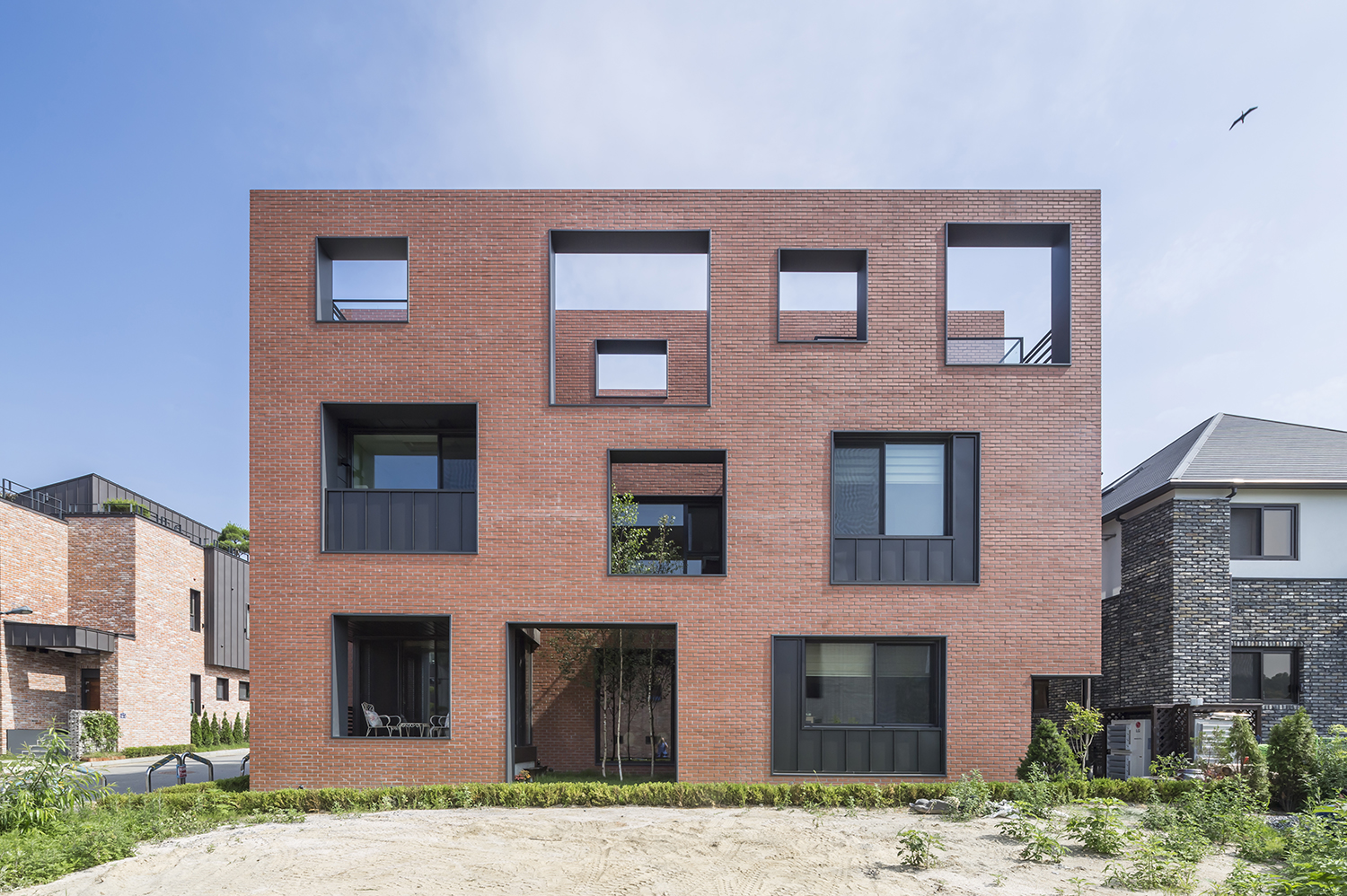
Cube House (2023) explores the idea of an internal courtyard. Located at the centre of a 3 × 3 modular structure, the courtyard functions as both a physical centre and an emotional axis. It deepens spatial layers and overlaps circulation, integrating private and communal spaces. This courtyard enables three-dimensional communication among family members, reorganising familial relationships and revealing the essence of dwelling as an integrated life.
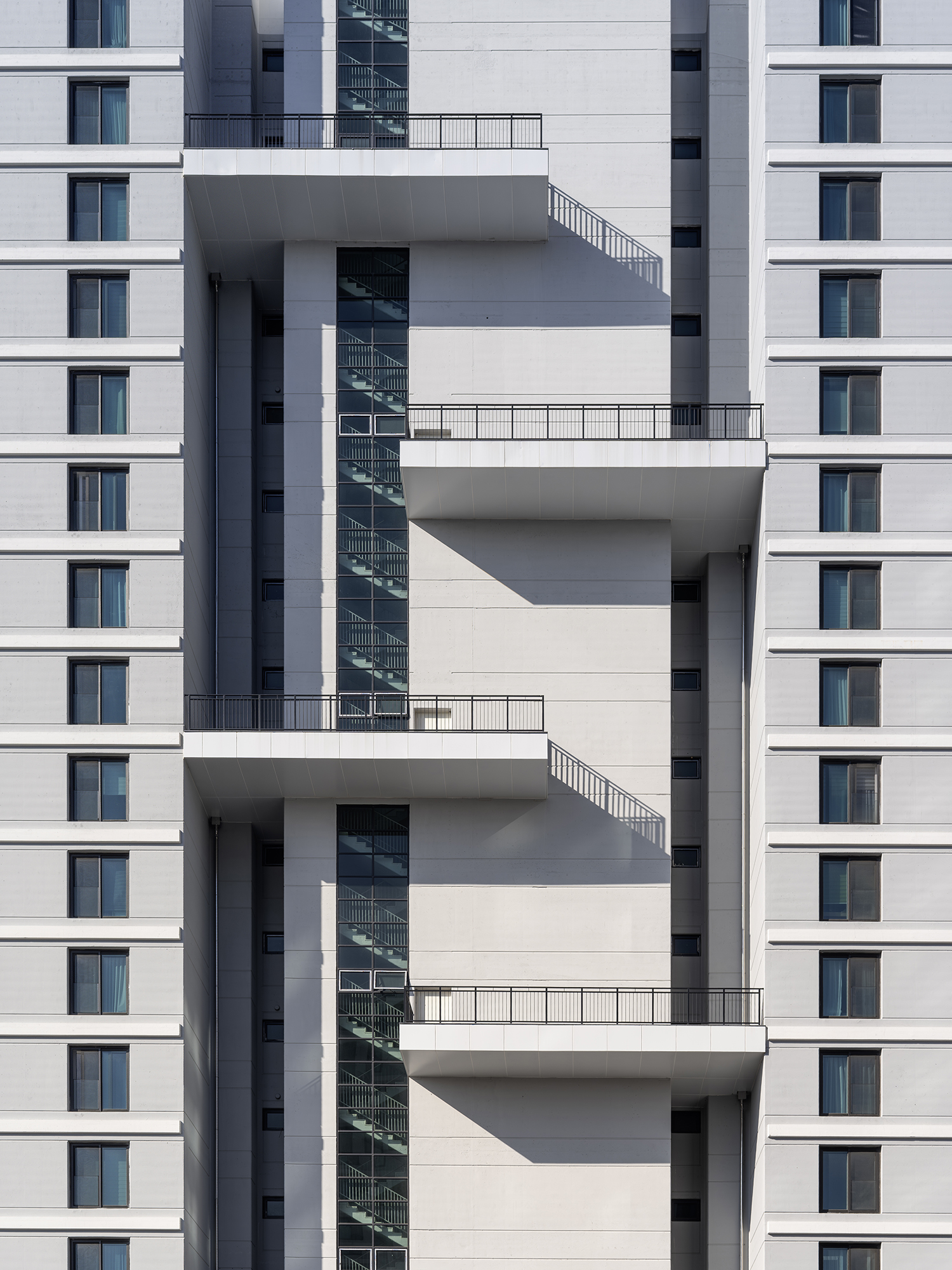
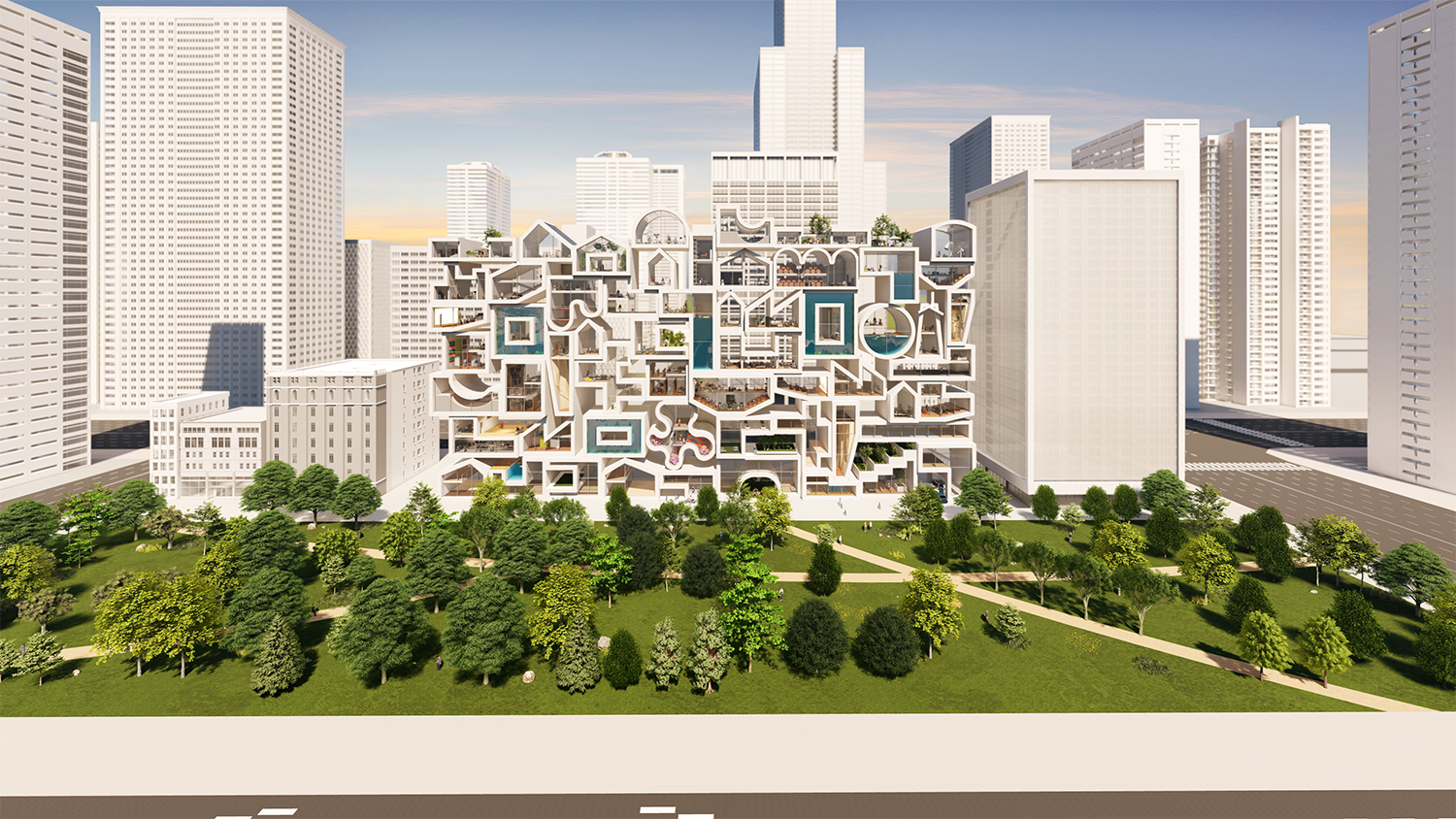
Lifestyle Apartment (2022, self-initiated project) Image courtesy of Unsangdong Architects
Rhythms of Sharing
One of the most important concepts in Unsangdong’s House 10 series is the redefinition of the relationship between private and communal space. In shared housing among relatives, two opposing demands – private independence for each family and interaction within the family community – collide with particular intensity. While individual ways of living must be respected, connections – to natural and urban elements, as well as to neighbours and family – should remain loosely yet meaningfully linked. This requires an exploration of a multidimensional structure of life in which the individual and the collective operate simultaneously. For Unsangdong, housing is not an isolated unit but a living organism continuously adjusting itself within a network of relationships.
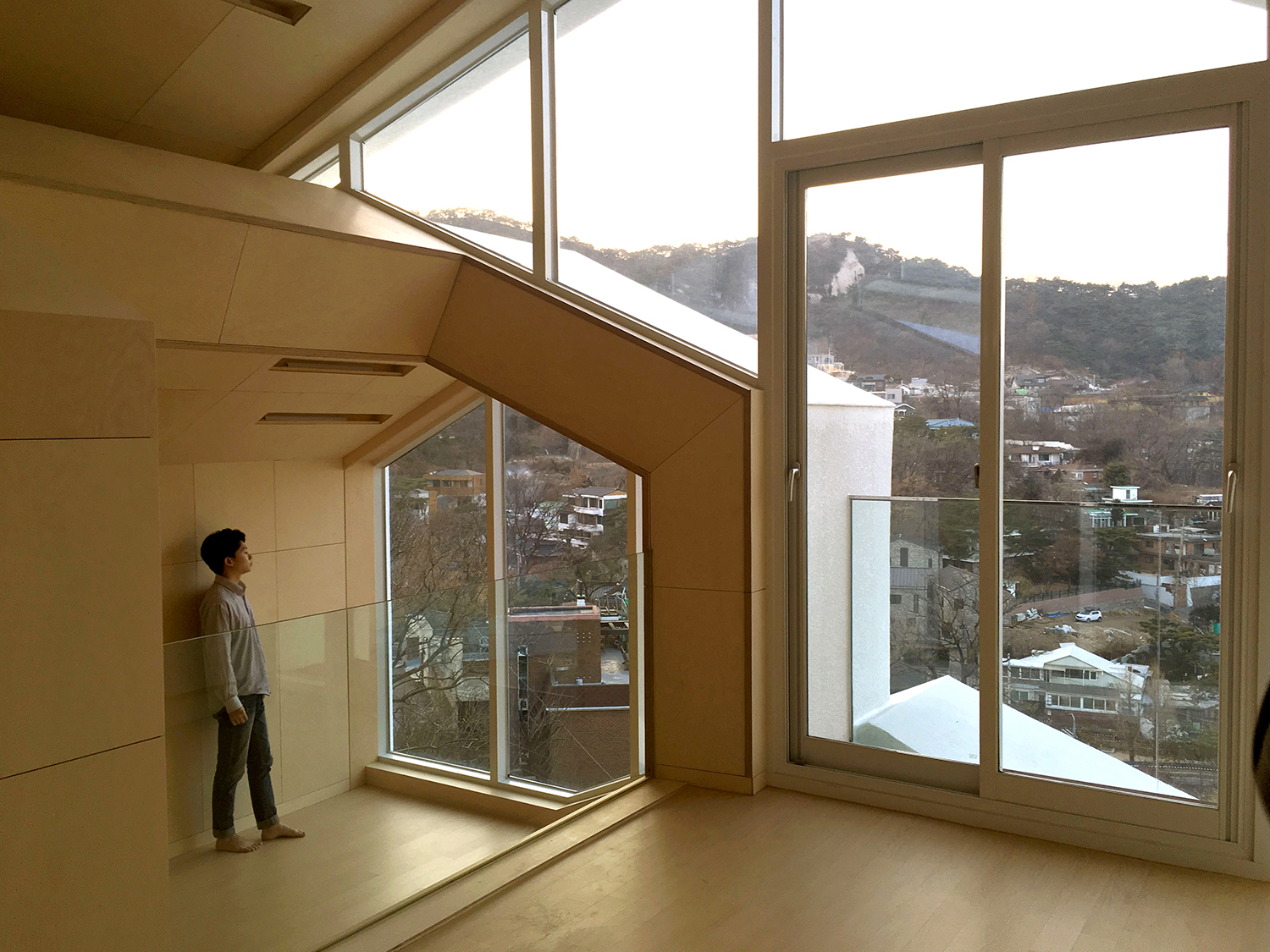
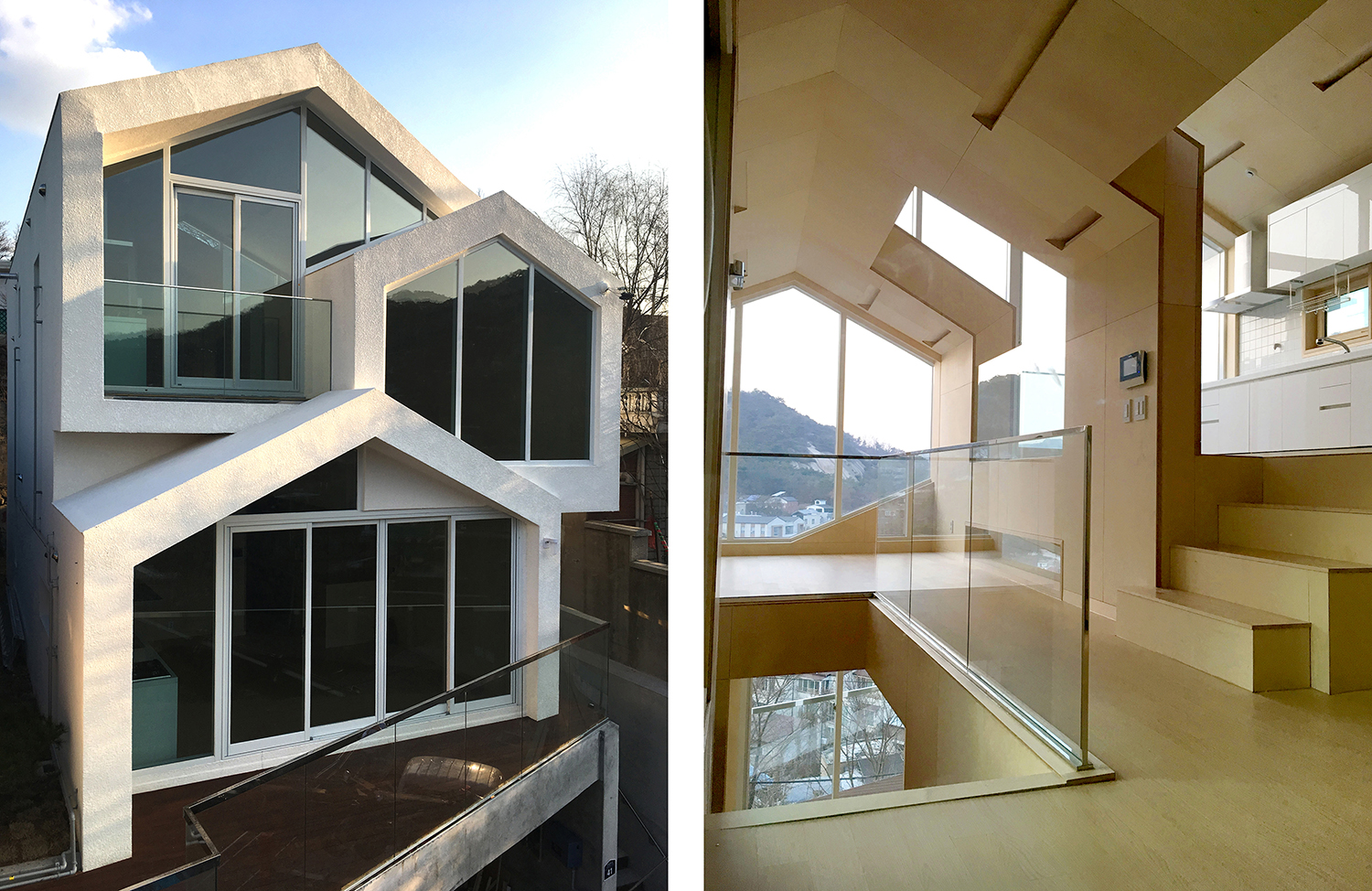
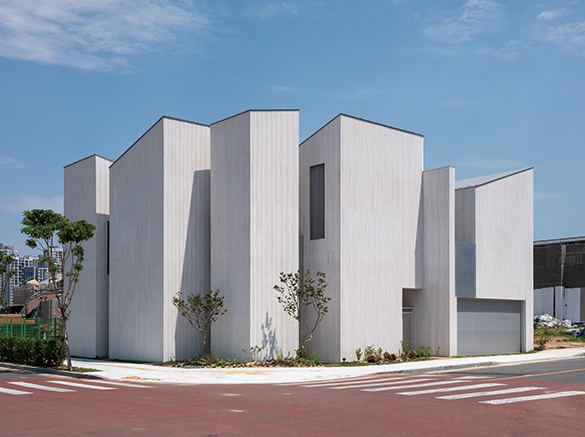
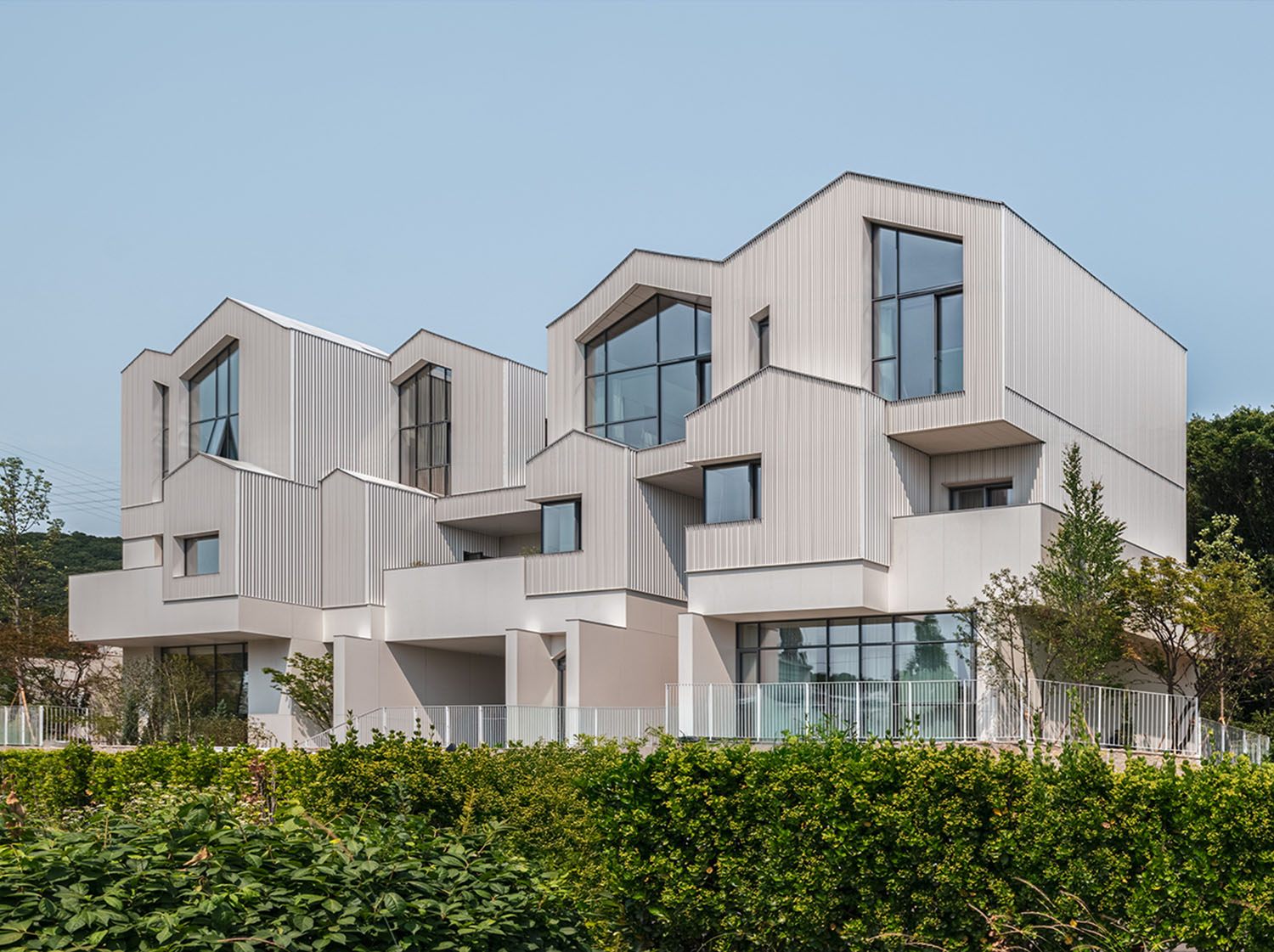
Buamdong House (2014) is a residence shared by two middle-aged sisters. While maintaining intimate familial exchange, they wanted to maintain a sense of separate lives. Three gabled volumes interact to create overlapping stairwells and interstitial slab spaces. Through these gaps, visual, acoustic, and atmospheric elements pass, allowing the sisters to sense each other’s presence – directly and indirectly – within the same house.
Quarter House (2025) is a large-scale shared housing type for the families of four brothers. To protect each family’s privacy while also forming a family community, a new concept of community was required. Each household has its own yard and deck, and these transitional spaces extend into a shared ground-level courtyard and lounge, enabling ongoing family interaction. Through a dual spatial structure that actively experiments with the balance between private and shared domains, the project proposes a new order for ‘living together’.
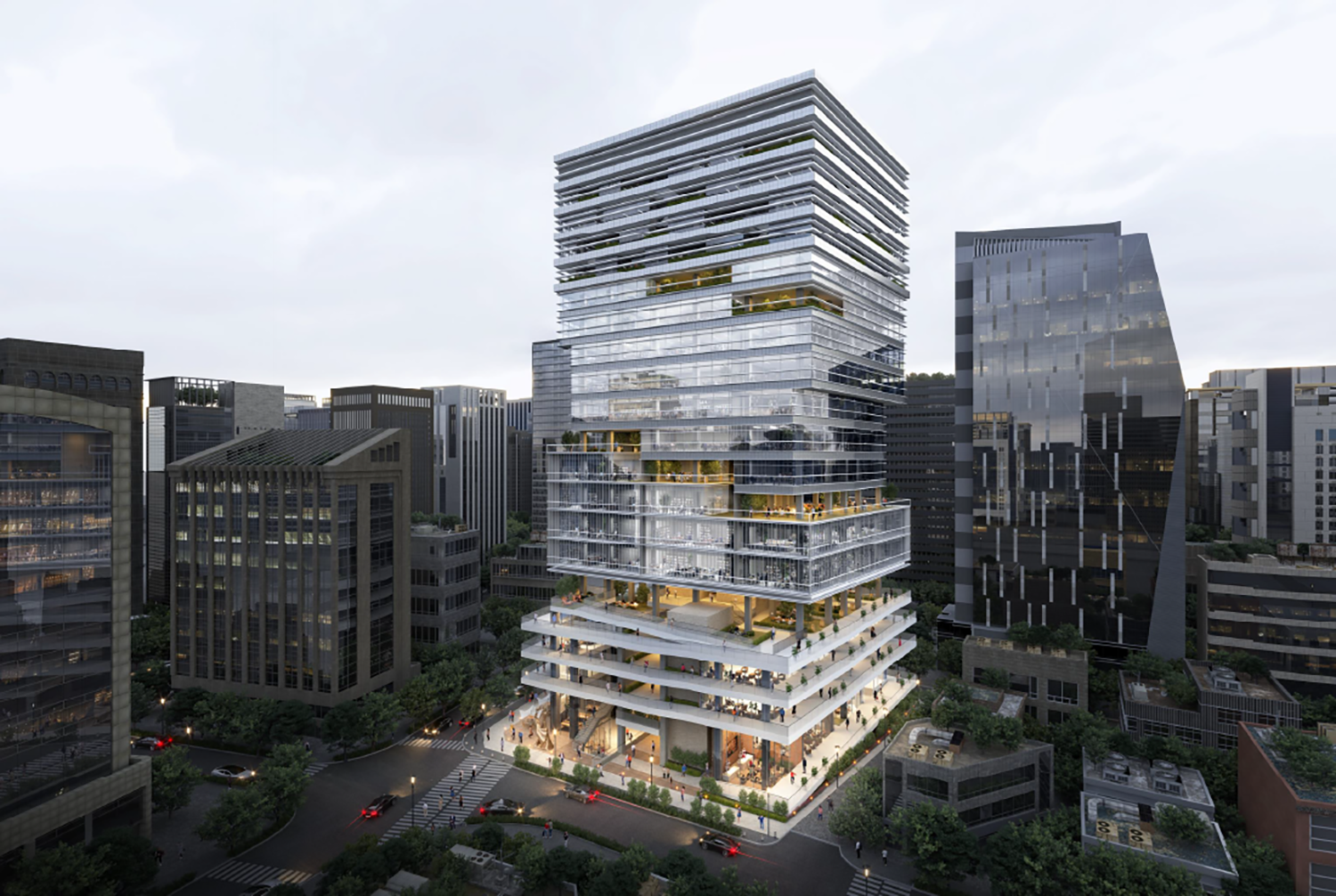
Mugyo-Dadong Skylife (ongoing) Image courtesy of Unsangdong Architects
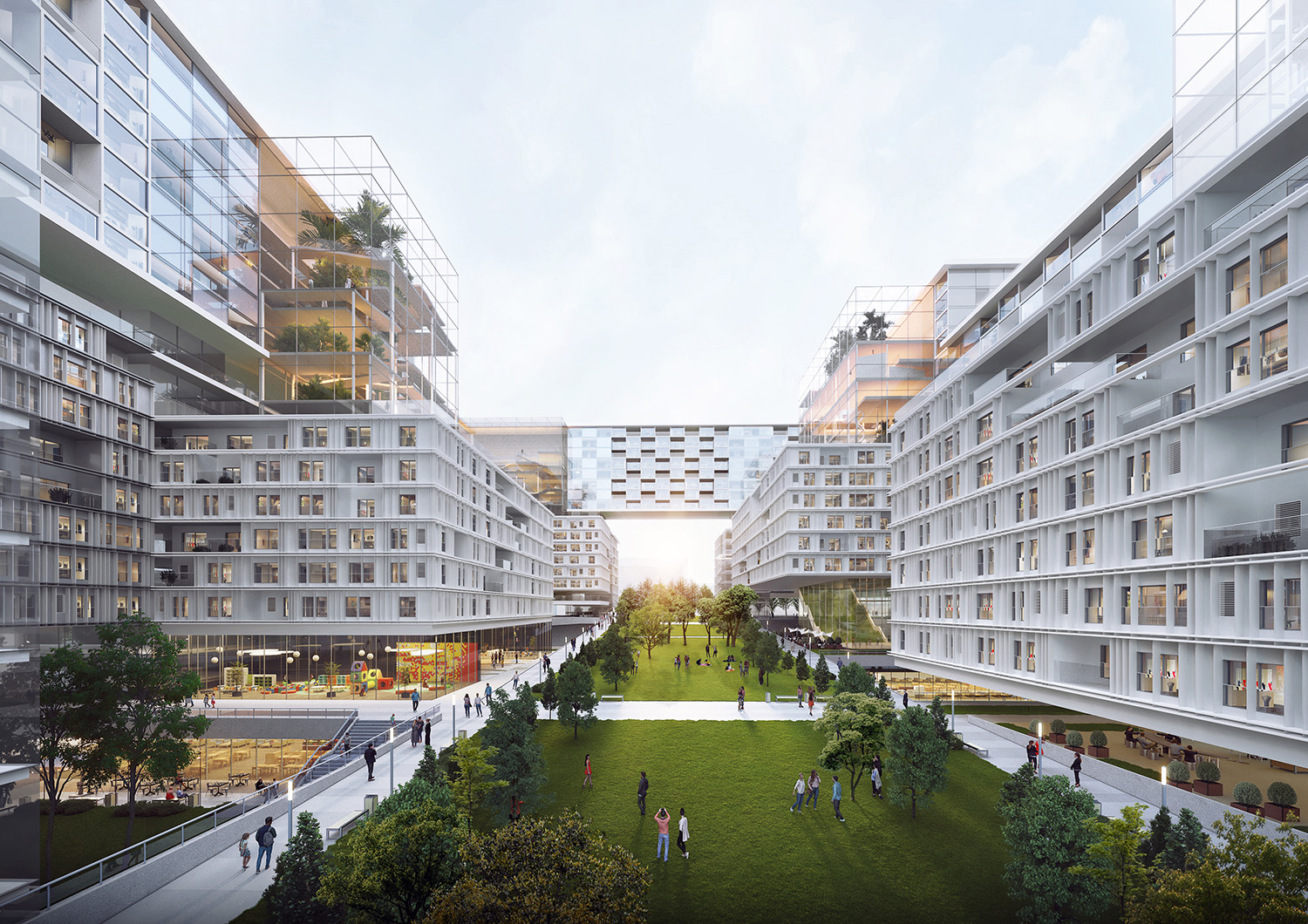
Songpa Public Housing (competition entry) Image courtesy of Unsangdong Architects
Urban Continuum
An alternative is needed to combat the individualised and fragmented approach to collective housing so often encountered today. The essence of a single house, collective housing, and apartments may in fact be the same. Stack detached houses one by one, and an apartment emerges naturally. Rather than collective housing complexes composed of massive blocks, we propose networked housing communities formed by small blocks and streets, akin to small neighbourhoods. Shared outdoor yards where neighbourhood communities gather, together with diverse individual dwelling types, generate varied living patterns. Collective housing is not completed by physical comfort alone; what matters is the accumulation of lived memory.
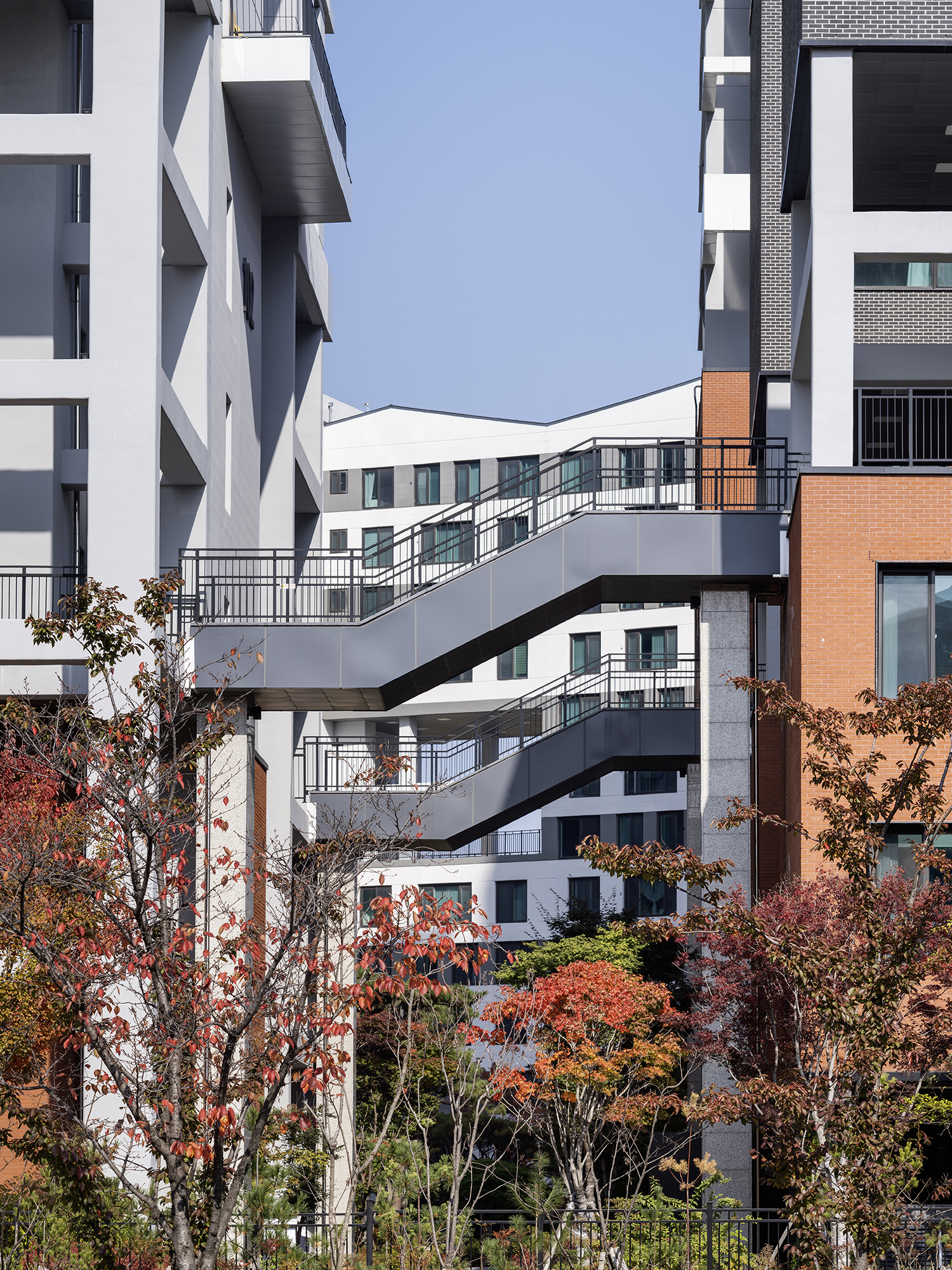
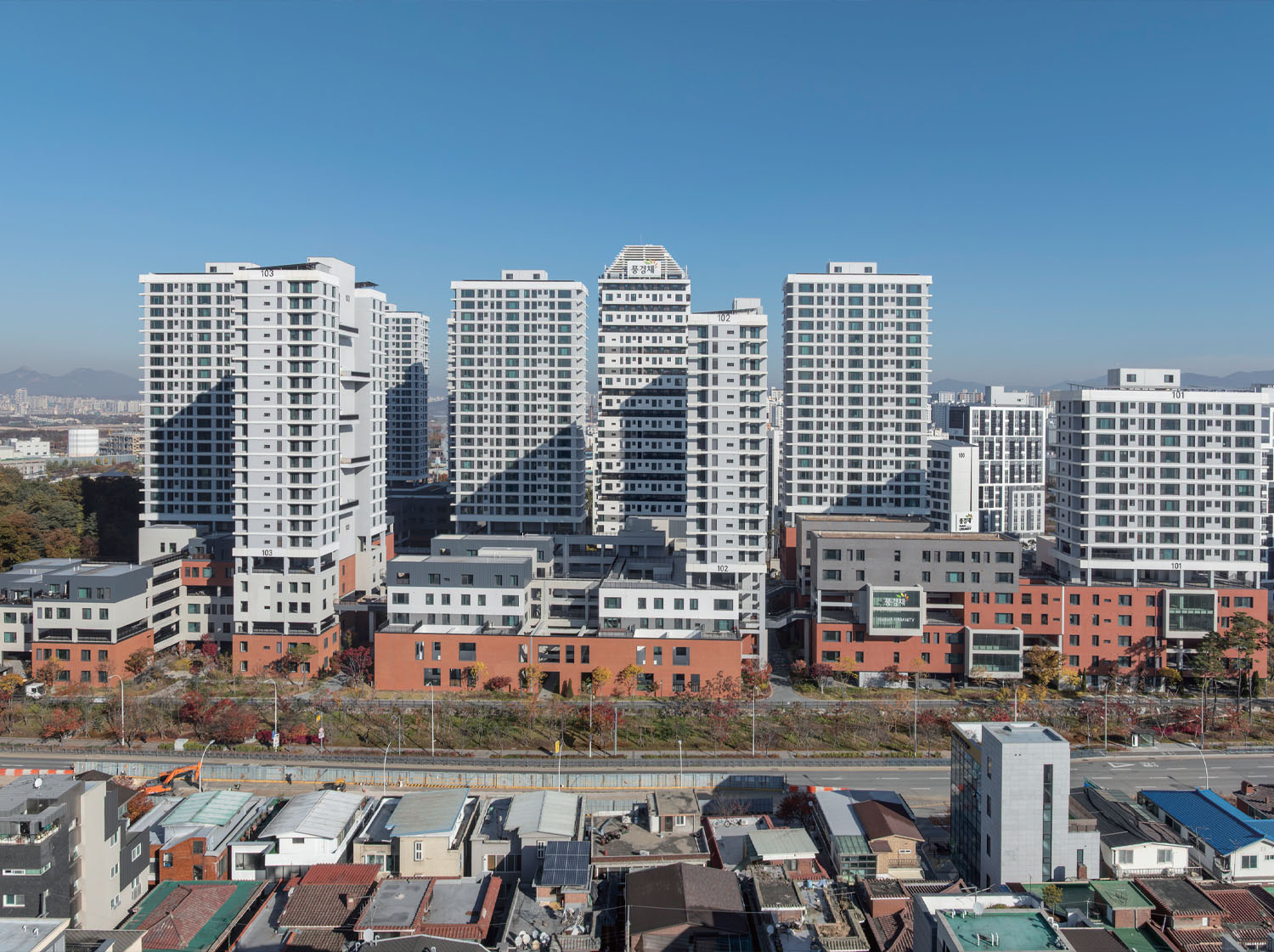
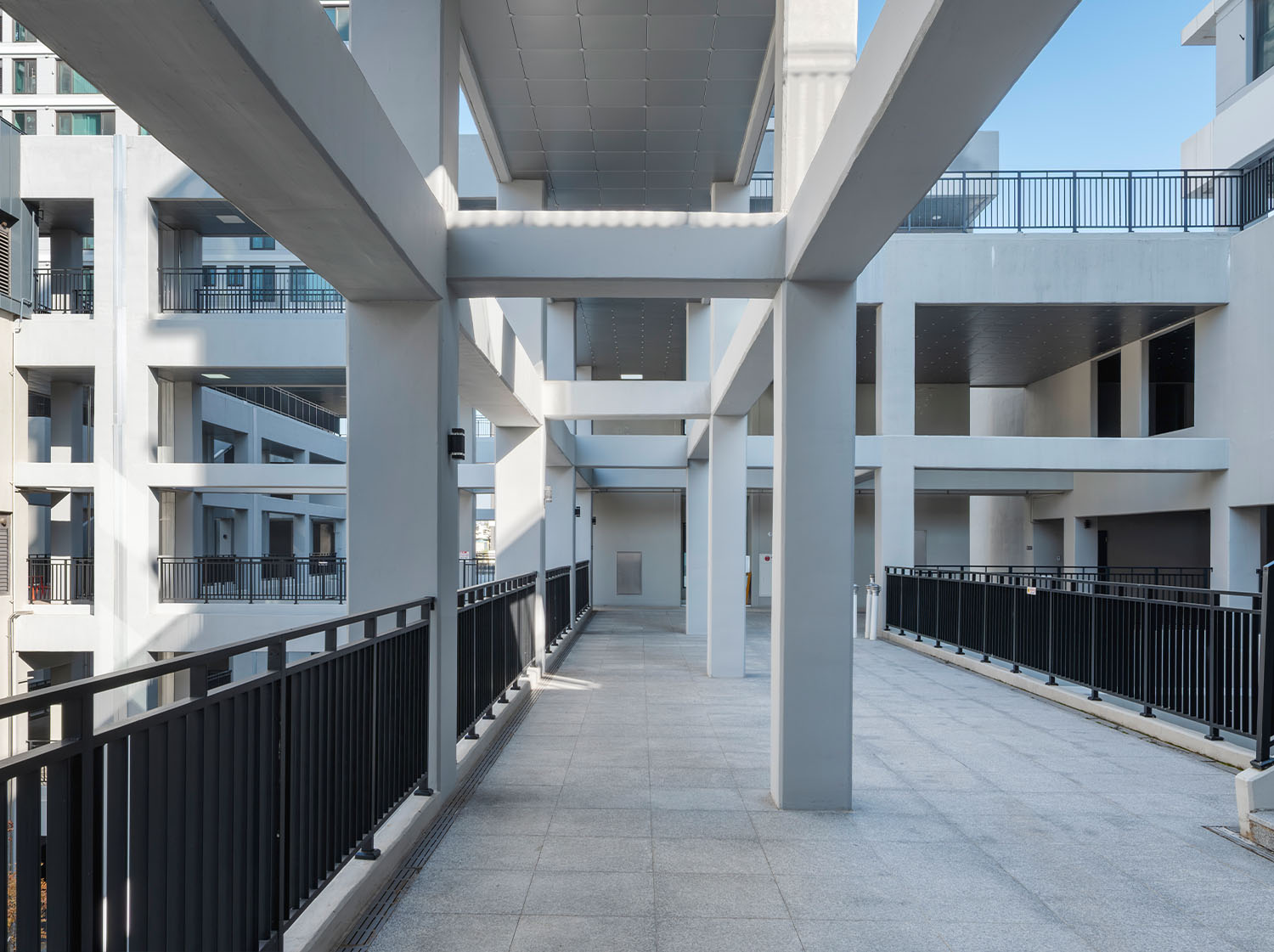
Godeok Pungkyeongchae Urbanity (2024) is divided into five small villages. At the lower levels, open communities accessible to all are formed. At the higher levels, bridges connecting villages, shared decks, and rooftop gardens expand individual lives while drawing the flow of public urban life into the interior of the complex. Public and private realms overlap rather than remain clearly demarcated, creating a community that allows for varying depths of connection and relationship. This collective housing presents an ‘open urban dwelling model’ and a ‘community of difference’ in which publicness and intimacy coexist within the city.
Today, housing projects that integrate with advanced technology has become a natural residential form. Unsangdong views technology not merely as a tool for efficiency or environmental performance, but as a medium for improving and supporting emotional communities. Data, systems, and networks should not control life but become the environment that constitutes it. Technology thus becomes not a cold infrastructure, but another ecological layer.
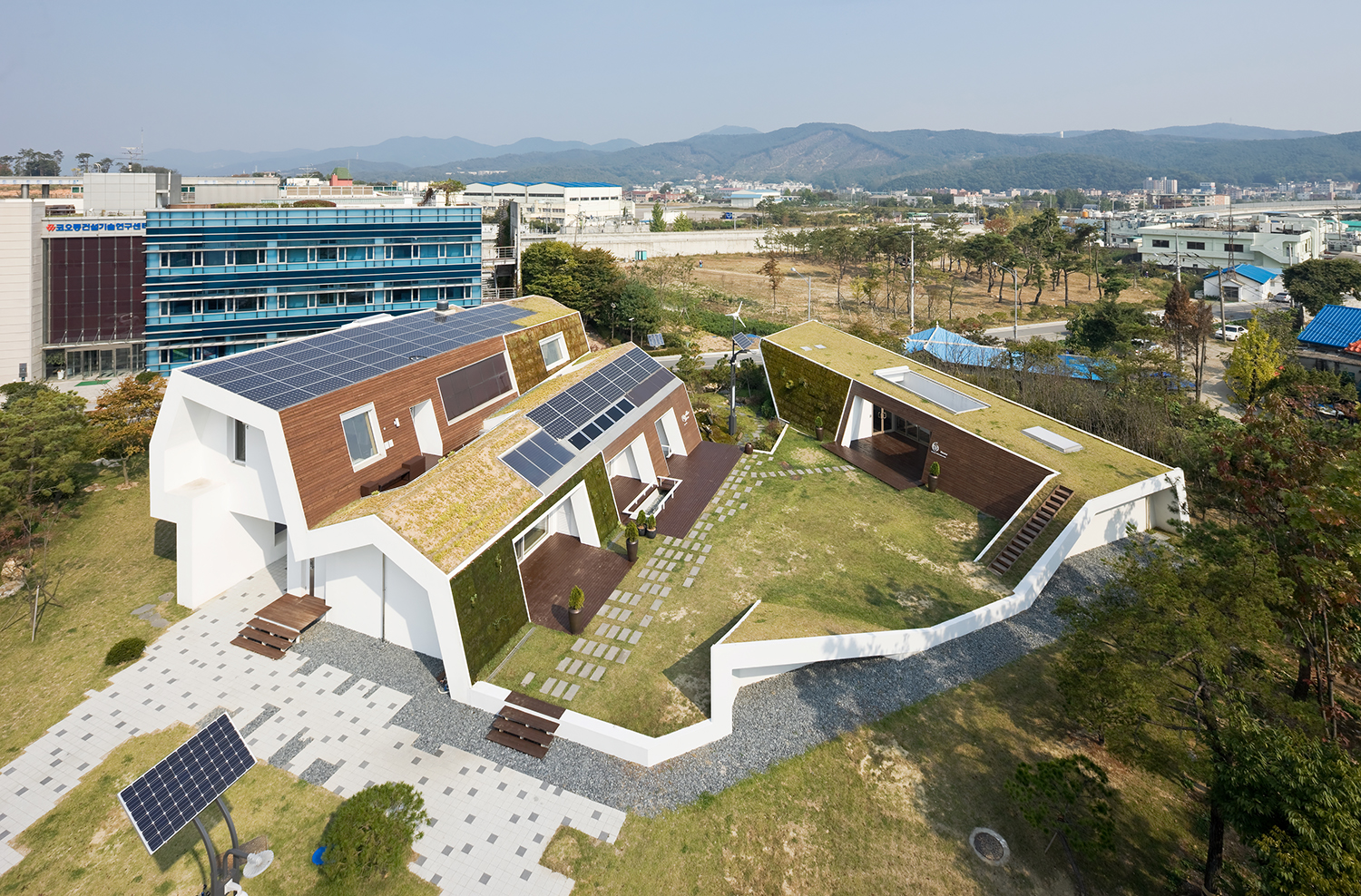
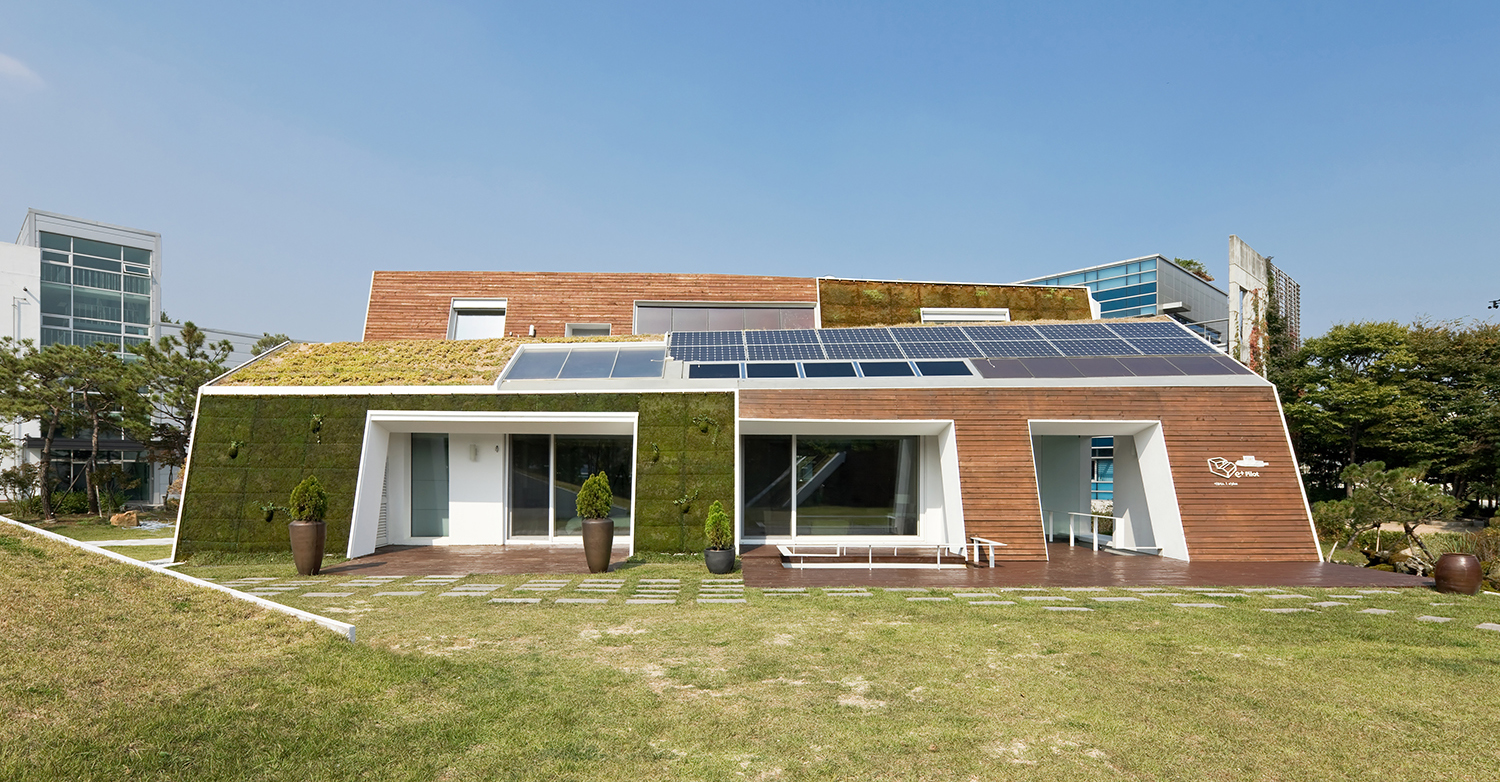
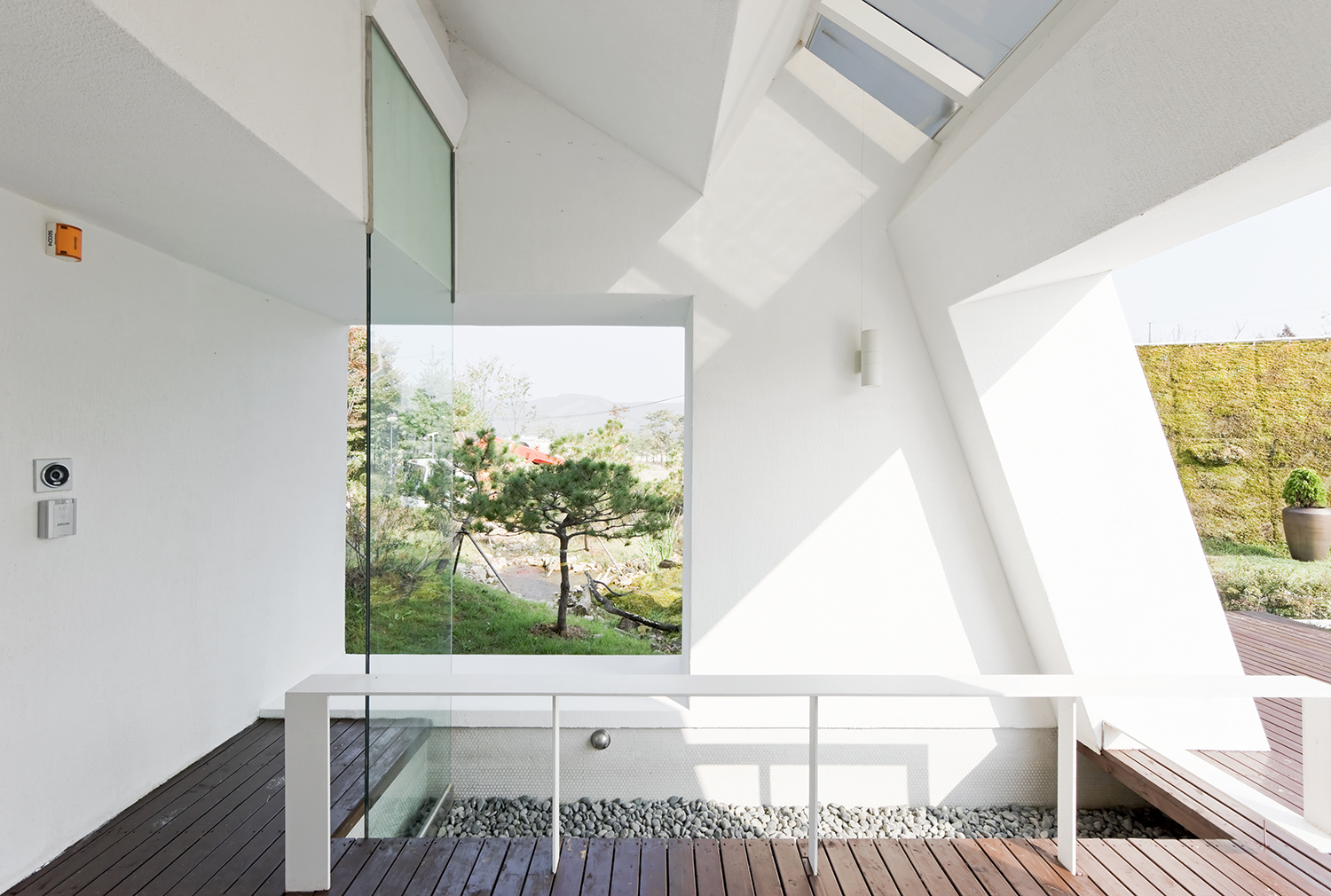
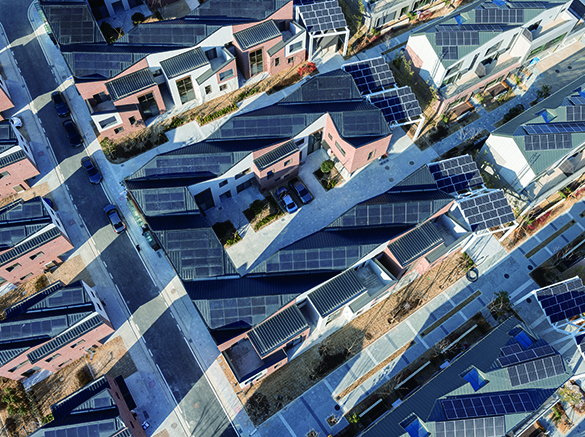
At Kolon E+ Green Home (2011), the roof – traditionally understood as the primary sheltering element of housing – was fundamentally redefined. By abstractly transforming the form of the site and integrating technologies that enable energy production, the project introduced the concept of ‘roof-tecture’. Through the application of environmentally responsive architectural technologies and state-of-the-art systems of the time, the project moved beyond conventional energy efficiency to explore the potential of sustainable housing that actively produces energy, while also proposing a nature-oriented mode of living that brings daily life into closer proximity with the natural environment.
Busan EDC Smart Village (2021) is a future-oriented residential complex planned as a ‘city that lives with technology’. It sought to realise a responsive housing model in which technology does not replace emotion but extends its reach. At the centre of the Smart Village is the Smart Community Corridor, which connects residential blocks, community lounges, and smart blocks, while integrating digital networks with residents’ daily lives into a single ecological structure. In private units, personal life and technology are linked; in shared spaces, technology mediates and amplifies emotional experience. The Smart Community Corridor is not merely technical infrastructure. Like the alleyways of traditional villages, it fosters neighbourly interaction and offers spaces for emotional exchange and comfort, while further extending its role to adjacent districts and urban infrastructure as a platform for the broader urban community. Various community spaces connected to the Smart Community Corridor become personalised and meaningful places for residents, forming an integral part of everyday dwelling.
Community refers to ‘a communal society that naturally forms through geographic ties’. As society becomes more open through social media, the concept of community expands infinitely, while local and physical communities appear to have disappeared. Beyond simple regional connections, voluntary communities that actively create relationships are emerging. Therefore, restoring community requires more than bureaucratic intervention; it requires opportunities that restore residents’ self-esteem and help them recognise the meaning of their own existence. A living community must be created by the community itself. Rather than relying on prescribed programmes, residents must become the central agents who generate and operate the programmes that sustain their collective life.
You can see more information on the SPACE No. February (2026).
Jang Yoongyoo
Jang Yoongyoo is a progressive architect who investigates architectural phenomena and believes that a physical reality originates from architectural concepts. After graduating from Seoul National University’s Department of Architecture and its Graduate School, he founded the Jang Yoongyoo Architectural Experiment Atelier, which later evolved into Unsangdong Architects. His practice focuses on an architecture that responds to the changing and dynamic conditions of a new era. Jang has been awarded the Korean Architecture Award, the Seoul Architecture Award, and the Korea Institute of Architects (KIA) Award, and has gained international acclaim through awards and features in prominent international media outlets. He is currently a Professor at the College of Architecture, Kookmin University.
Shin Changhoon
Shin Changhoon graduated from the Department of Architectural Engineering at Yeungnam University and the Graduate School of Architecture at the University of Seoul. He co-founded Unsangdong Architects with Jang Yoongyoo to pursue and realise experimental and conceptual architecture. He has dedicated himself to archiving and promoting Korean architecture through his leadership of platforms such as ‘Space Coordinator’ and ‘Architecture Sympathy’. Having served as a Seoul Public Architect, he currently acts as the General Architect of Suseong-gu and the Vice Chair of the Suseong International Biennale. His broader contributions to public architectural culture include his tenure as Chair of the Young Architects Committee of the KIA. He is currently an Adjunct Professor at the University of Seoul.